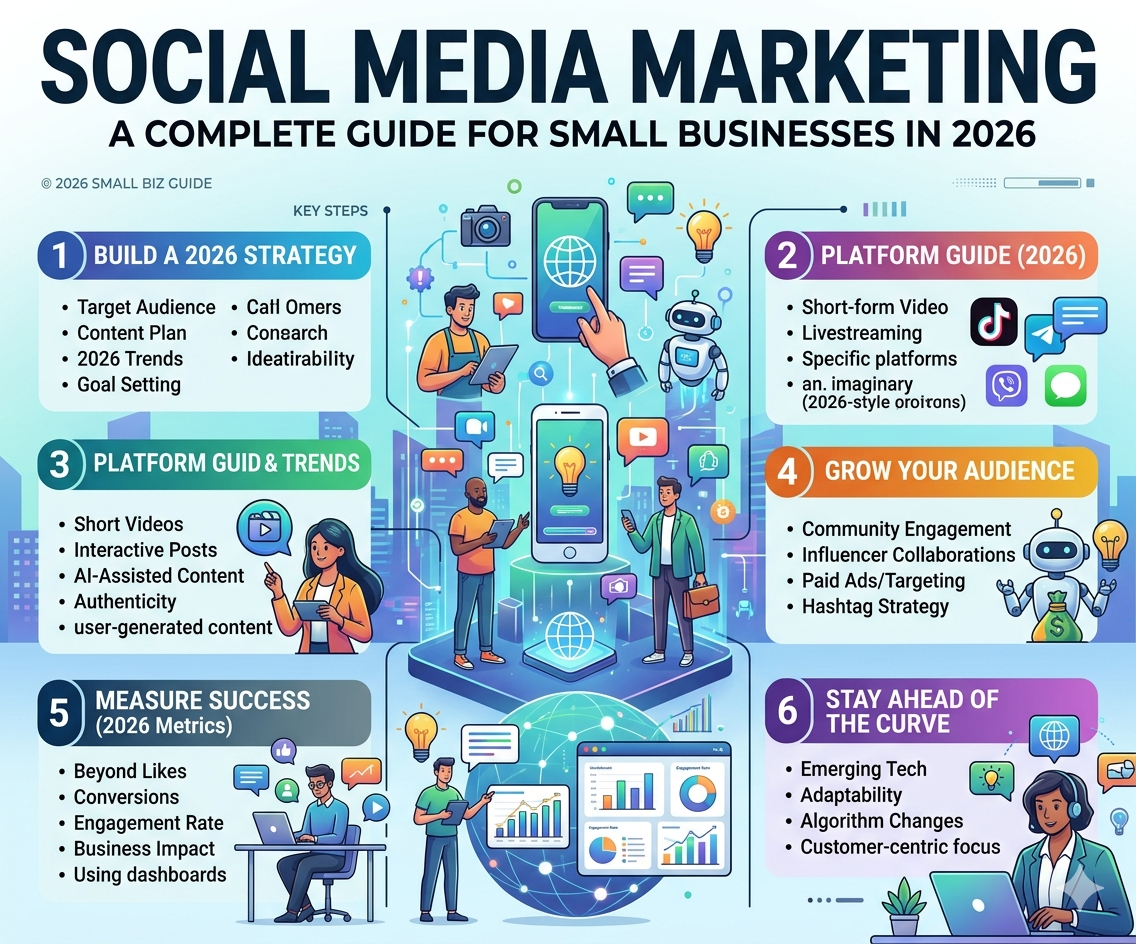
Social Media Marketing: A Complete Guide for Small Businesses in 2026
What Is Social Media Marketing?
Social Media Marketing is more than just posting photos or sharing updates it’s about building meaningful relationships with your audience. In simple terms, it means using platforms like Facebook, Instagram, and LinkedIn to promote your business and connect with customers.
This approach works like a digital storefront where your brand appears in your audience’s daily scrolling habits. In other words, instead of waiting for customers to find you, your business actively shows up in their feed.
In 2026, the landscape has become highly interactive. This means customers don’t just watch content—they expect replies, value, and engagement. Therefore, businesses must focus on communication, not just promotion.
Why It Matters for Small Businesses Today
Social Media Marketing plays a crucial role because most customers research brands online before making a purchase. Simply put, if your business is not visible online, people may not trust it.
In addition, it allows small businesses to compete with larger companies. For example, a local shop can attract customers by sharing authentic stories and engaging posts without spending huge amounts on advertising.
Furthermore, it helps build emotional connections. When people relate to your content, they are more likely to choose your brand over competitors.
Key Benefits for Business Growth
Affordable and Scalable Approach
One of the biggest advantages is affordability. This means you can start marketing your business without spending money and later invest as your business grows.
Additionally, platforms provide real-time data. In simple words, you can instantly see what is working and what is not, allowing you to improve quickly.
Building Awareness and Engagement
Consistent posting increases visibility, which means more people become aware of your brand over time.
On the other hand, engagement—such as replying to comments or messages—helps build trust. When customers feel heard, they are more likely to stay loyal.
Choosing the Right Platforms
Facebook and Instagram
Facebook is useful for reaching a wide audience, especially for local businesses. Meanwhile, Instagram focuses on visuals, making it ideal for showcasing products.
In simple terms, Facebook helps you connect, while Instagram helps you attract visually.
LinkedIn and New-Age Platforms
LinkedIn is best for professional connections and B2B businesses. This means it works well if your target audience includes business owners or professionals.
Meanwhile, newer platforms like short-video apps attract younger users. Therefore, choosing the right platform depends on where your audience spends time.
Building a Strong Strategy
Setting Clear Goals
Every successful strategy starts with clear goals. For example, you may want to increase followers, generate leads, or boost sales.
Without goals, your efforts may lack direction. That’s why setting measurable targets helps track progress effectively.
Understanding Your Audience
Knowing your audience means understanding their interests, problems, and preferences.
In simple words, if you know what your audience wants, you can create content that they actually enjoy and engage with.
Content That Drives Results
Types of Content That Work
Content is the core of your strategy. This includes videos, tutorials, customer reviews, and behind-the-scenes posts.
For example, short videos are popular because they are quick and engaging. However, using different formats keeps your content fresh and interesting.
Planning and Consistency
A content calendar helps you stay organized and consistent. This means you always know what to post and when.
Consistency is important because irregular posting can make your audience lose interest.
Advertising and Growth Tactics
Organic vs Paid Reach
Organic content helps build trust naturally, while paid ads help reach more people quickly.
In simple terms, organic is slow but strong, whereas paid is fast but needs investment. Combining both gives the best results.
Managing Your Budget
Start with a small budget and test different strategies. Then, focus more on what works best.
This approach reduces risk and ensures you spend money wisely.
Tools and Automation
Using tools helps automate posting and track performance. This saves time and makes your work more efficient.
Additionally, AI tools can suggest content ideas and analyze audience behavior. This makes decision-making easier and more accurate.
Measuring Performance
Tracking performance means checking metrics like likes, shares, reach, and conversions.
These numbers help you understand what type of content works best. As a result, you can improve your strategy over time.
Common Mistakes to Avoid
One common mistake is focusing only on selling. Instead, you should focus on building relationships first.
Another mistake is inconsistency. Posting irregularly or ignoring audience interaction can reduce growth.
Emerging Trends to Watch
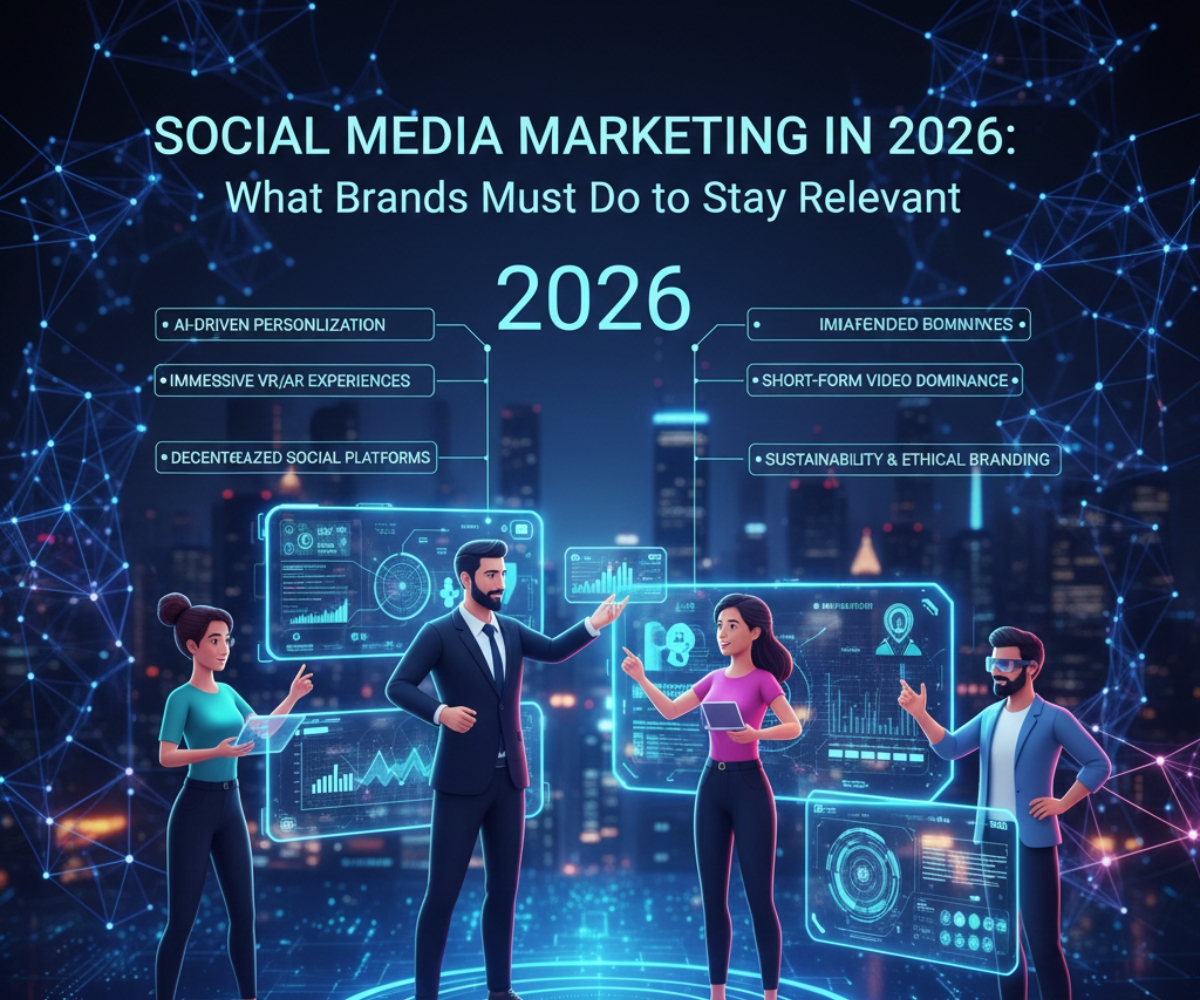
New trends like short videos, influencer marketing, and AI tools are shaping the future.
Staying updated with these trends helps your business remain competitive and relevant.
Conclusion
Social Media Marketing is no longer optional—it’s essential for small business growth in 2026. With the right strategy and consistent effort, businesses can turn social platforms into powerful growth tools. Moreover, learning from experts like NIDM (National Institute of Digital Marketing) can help you understand these concepts in depth and apply them effectively.