Email Marketing in 2026: The Complete Guide to Future Trends
Why Email Still Dominates Digital Marketing
Email Marketing in 2026 continues to outperform many digital channels despite the rise of social media and paid ads. Unlike algorithm-driven platforms, email gives brands direct access to their audience, ensuring better control over communication. Businesses now rely on owned email lists, making it one of the most stable and high-ROI marketing channels.
Additionally, brands are realizing that email provides long-term value compared to short-lived visibility on social platforms. With the right strategy, a single subscriber can generate consistent engagement and revenue over time.
Shift from Bulk Emails to Smart Communication
Modern email strategies are no longer about sending thousands of messages blindly. Email Marketing in 2026 focuses on delivering relevant and meaningful content that users actually want to open.
Marketers are now prioritizing segmentation, timing, and intent. Instead of asking “How many emails were sent?”, the focus has shifted to “How valuable was each interaction?”. This change improves both engagement and brand perception.
AI-Powered Campaigns Are Redefining Strategy
Artificial intelligence has become the backbone of modern email campaigns. Email Marketing in 2026 uses AI for audience segmentation, subject line creation, content generation, and send-time optimization.
AI tools analyze user behavior patterns and predict the best possible action, allowing marketers to create highly efficient campaigns. This not only saves time but also improves performance significantly.
Human Creativity Still Matters
Even with automation, human input remains essential. Email Marketing in 2026 works best when AI efficiency is combined with human storytelling and emotional intelligence.
Marketers who understand audience psychology can craft messages that feel authentic and relatable, something AI alone cannot fully achieve.
Advanced Personalization and Behavioral Targeting
Personalization has evolved far beyond just adding a name to an email. Email Marketing in 2026 uses behavioral data such as browsing history, purchase patterns, and engagement signals to deliver highly relevant content.
This approach ensures that every email feels tailored to the individual, increasing both trust and conversion rates. Users are more likely to engage with content that aligns with their interests and needs.
Creating Data-Driven Customer Journeys
Brands now design automated journeys based on user actions. Email Marketing in 2026 includes triggered emails such as welcome sequences, cart abandonment reminders, and re-engagement campaigns.
These workflows create a seamless experience for users while helping businesses maintain consistent communication without manual effort.
Interactive and Dynamic Email Experiences
Static emails are becoming outdated. Email Marketing in 2026 introduces interactive elements like polls, quizzes, sliders, and countdown timers to boost engagement.
These features transform emails into mini-experiences where users can interact without leaving their inbox, leading to higher click-through rates.
Real-Time Content and Live Updates
Dynamic emails now update in real time based on user behavior or external data. Email Marketing in 2026 uses live countdowns, stock updates, and personalized offers to create urgency.
This makes emails more relevant and encourages immediate action from users.
Privacy-First Approach and Ethical Marketing
With increasing awareness of data privacy, users expect transparency from brands. Email Marketing in 2026 emphasizes ethical data collection and clear communication.
Companies must obtain proper consent and explain how user data is being used. Trust has become a major factor in determining long-term customer relationships.
Improving Deliverability and Inbox Placement
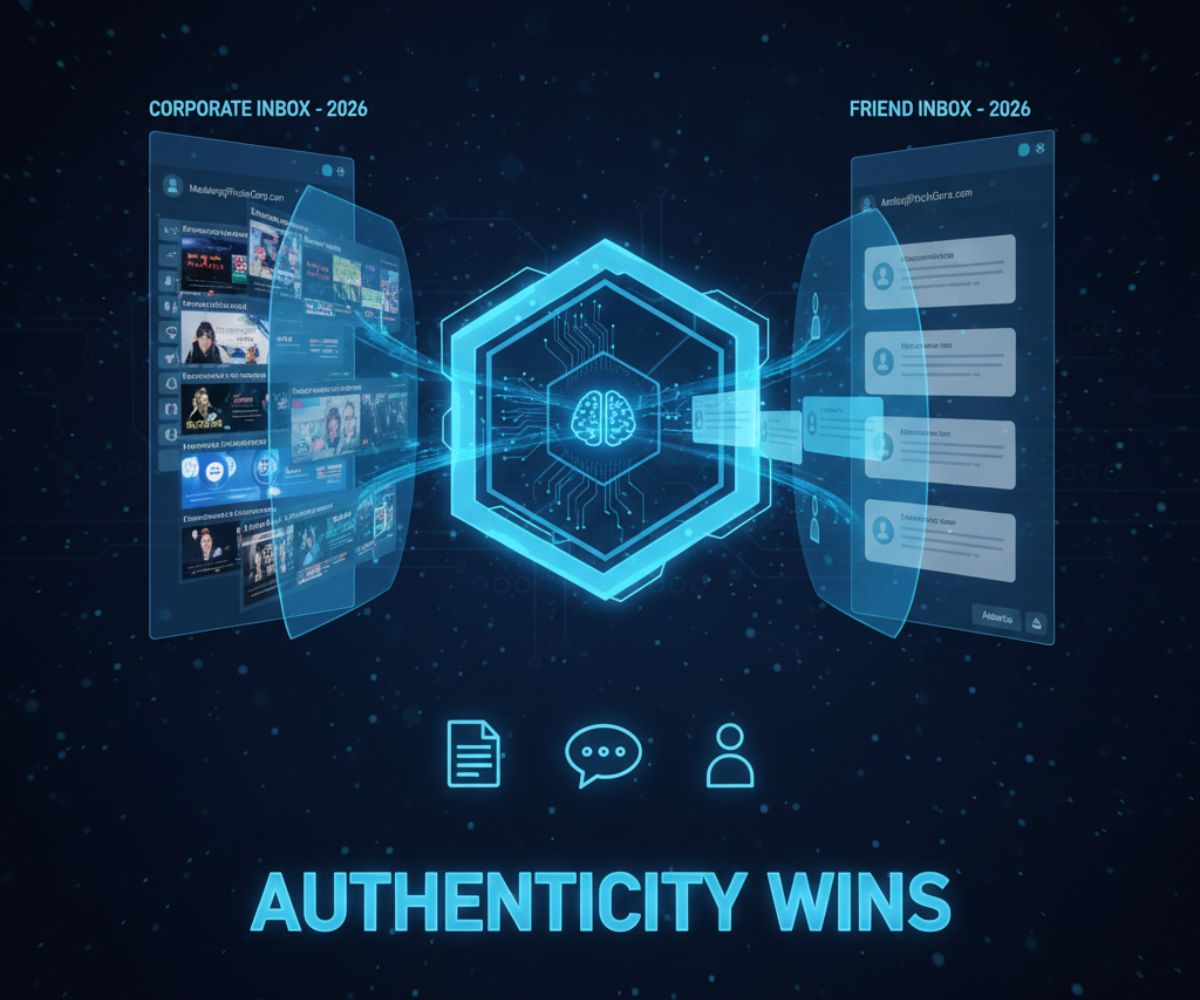
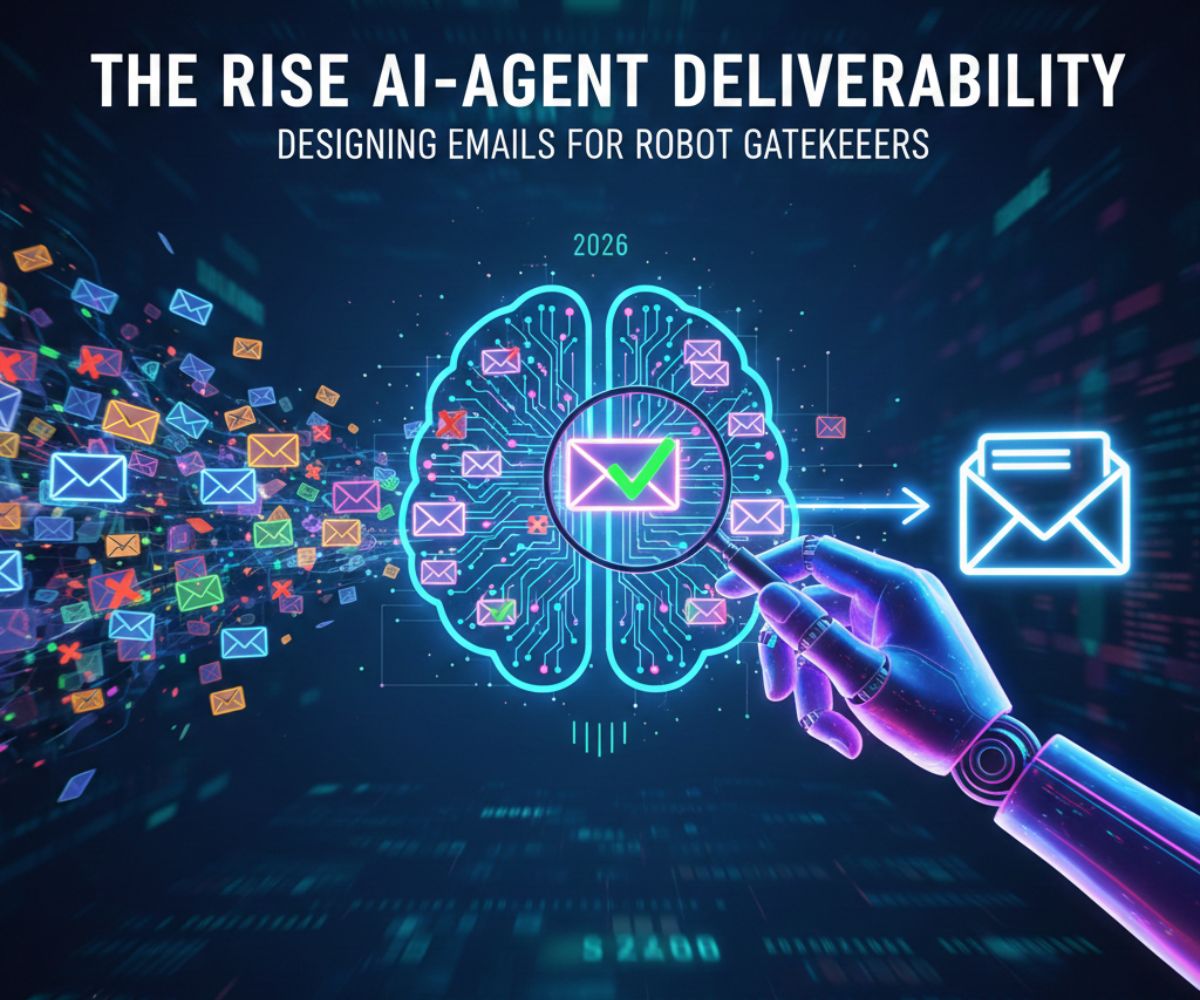
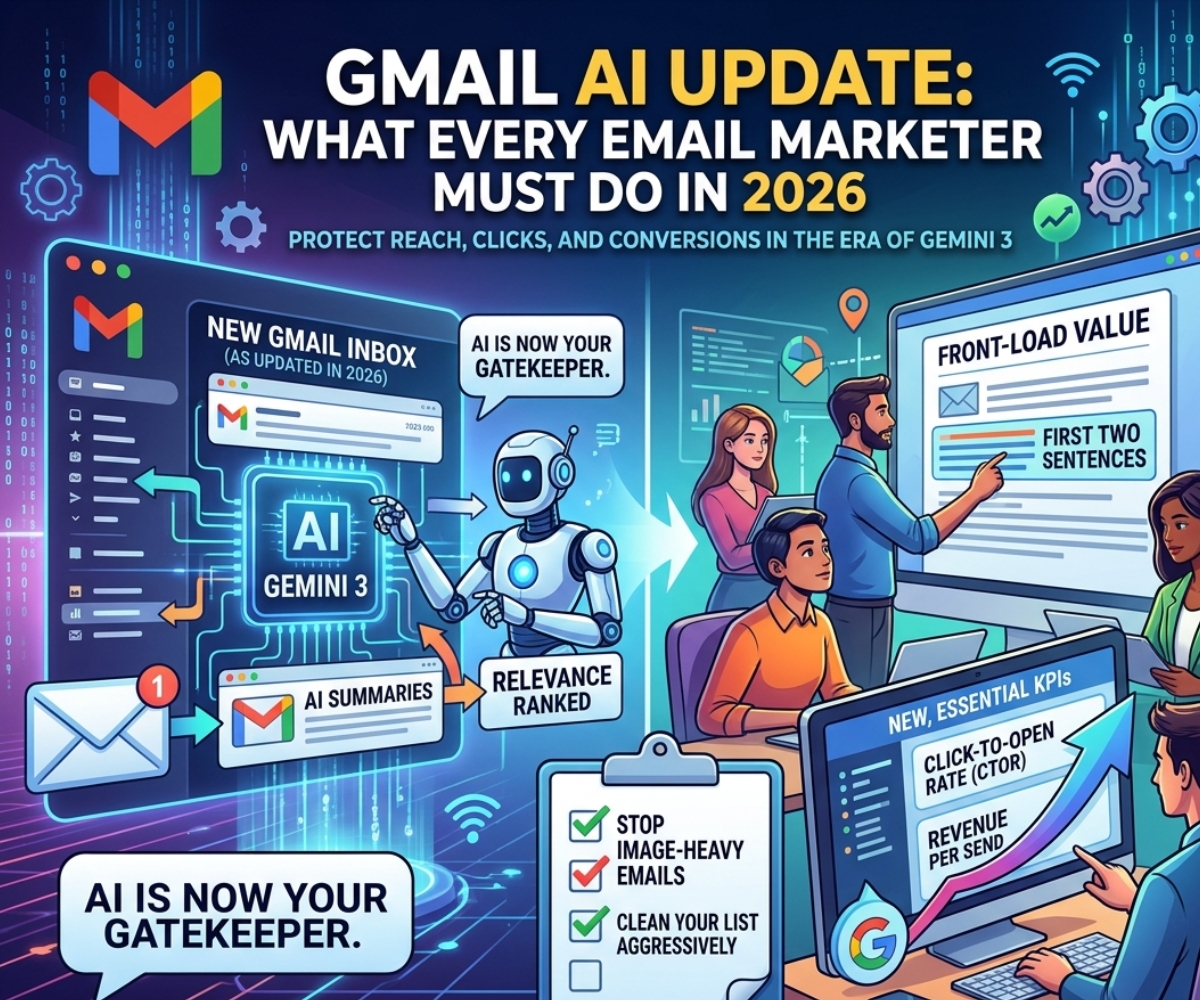
Getting emails delivered is now as important as creating them. Email Marketing in 2026 focuses on maintaining sender reputation and avoiding spam filters.
Engagement metrics such as open rates, clicks, and replies play a crucial role in determining whether emails reach the inbox. High-quality content leads to better deliverability over time.
Conversational and Minimalist Email Copy
Modern audiences prefer simplicity. Email Marketing in 2026 favors short, clear, and conversational messages over lengthy and complex designs.
Emails that sound human and relatable perform better because they build a stronger emotional connection with the reader. This approach also improves readability, especially on mobile devices.
Omnichannel Integration for Better Engagement
Email is no longer a standalone channel. Email Marketing in 2026 works alongside SMS, social media, and push notifications to create a unified experience.
This integration ensures that users receive consistent messaging across multiple touchpoints, improving brand recall and engagement.
Mobile-First Design and User Experience
With most emails opened on smartphones, mobile optimization is essential. Email Marketing in 2026 prioritizes responsive design, fast loading, and easy navigation.
Short paragraphs, clear CTAs, and visually appealing layouts ensure better engagement and user satisfaction.
Future Trends to Watch in Email Campaigns
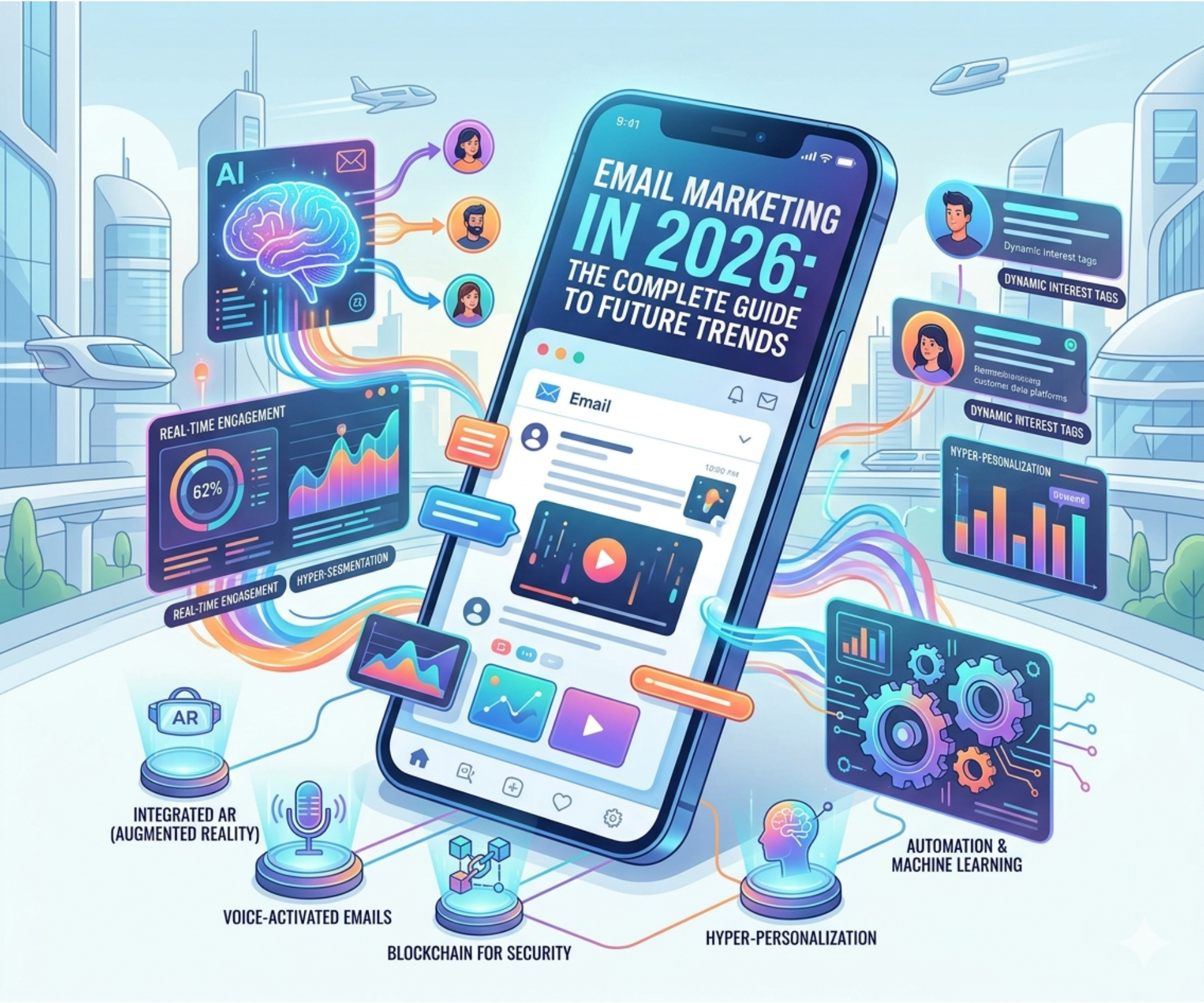
Looking ahead, email marketing will continue to evolve with new technologies and user expectations. Some key trends include:
- AI-driven predictive personalization
- Voice-enabled email interactions
- Deeper integration with CRM systems
- Increased use of AMP emails for interactivity
- Greater focus on zero-party data
Email Marketing in 2026 is setting the foundation for even more advanced and intelligent communication strategies in the future.
Conclusion
Email Marketing in 2026 is no longer about sending messages—it’s about creating personalized, meaningful, and engaging experiences. With the rise of AI, interactive content, and privacy-first strategies, businesses must adapt to stay competitive.
Those who focus on value, trust, and user experience will achieve the best results. To build expertise in these advanced strategies, learning from NIDM (National Institute of Digital Marketing) can help you gain practical knowledge and stay ahead in the industry.