Email marketing is no longer just about sending promotional messages to customers. In today’s competitive digital world, brands that connect emotionally with their audience often achieve higher engagement and better conversion rates. Customers receive hundreds of emails every week, but they usually respond to messages that make them feel understood, valued, or excited. Emotional connection creates trust, and trust plays a major role in influencing purchasing decisions. This is why modern digital marketing professionals focus heavily on emotional marketing strategies while creating email campaigns. Many students enrolling in a Digital Marketing Course now learn how customer psychology and emotions can directly impact email open rates, click-through rates, and overall conversions.
Creating Curiosity Through Subject Lines
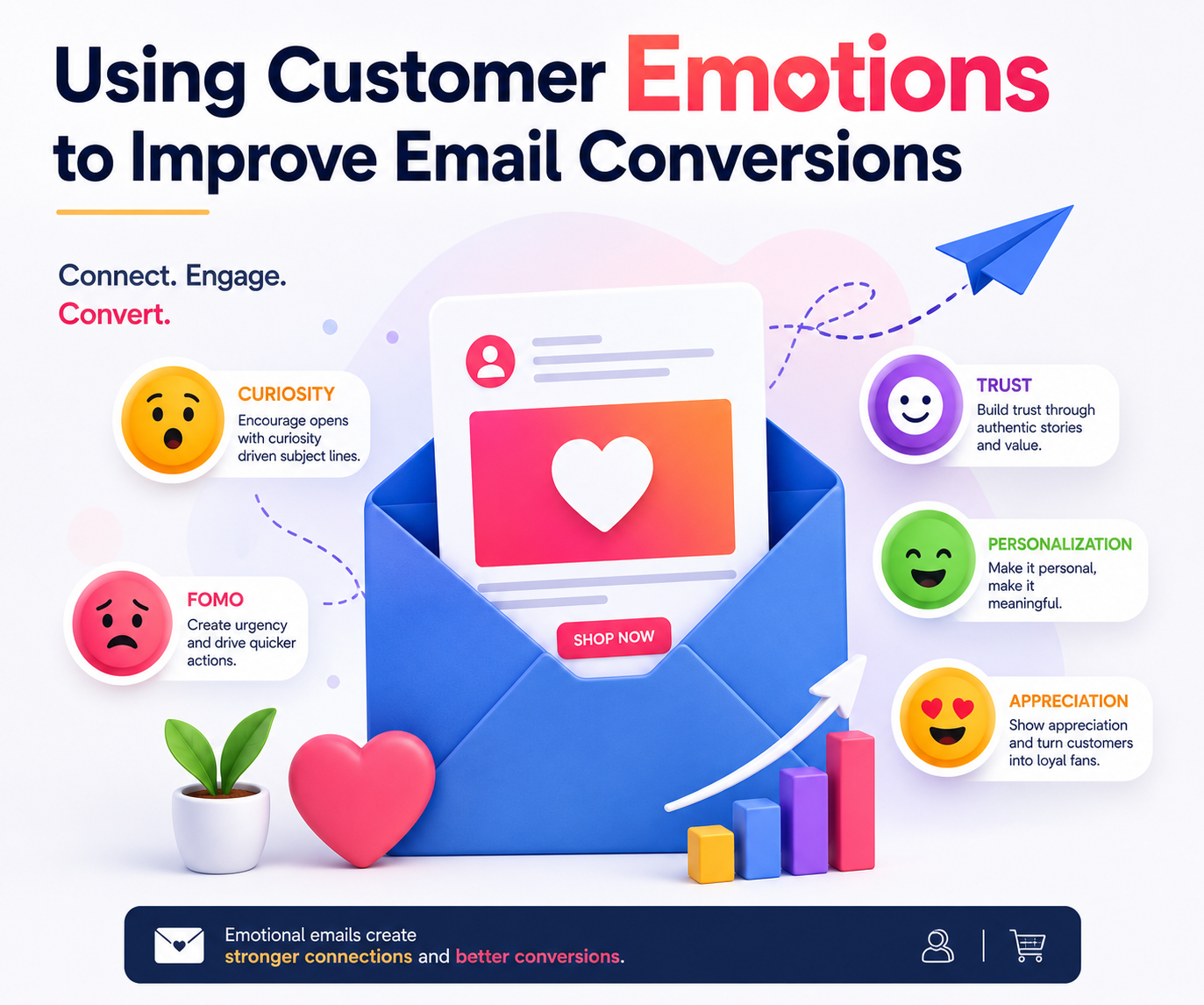
One of the most effective emotions used in email marketing is curiosity. Subject lines that create curiosity encourage users to open emails and learn more. For example, phrases like “You’re Missing Something Important” or “A Special Surprise Awaits You” naturally attract attention. Curiosity-driven emails work because people want answers and are emotionally motivated to discover hidden information. However, marketers should avoid misleading subject lines because broken trust can reduce long-term engagement.
Using FOMO to Increase Conversions
Another powerful emotional trigger is fear of missing out, commonly known as FOMO. Limited-time offers, exclusive discounts, and countdown timers create urgency and encourage immediate action. When customers believe they may lose an opportunity, they are more likely to click and purchase quickly. Emails that say “Only 3 Hours Left” or “Last Chance to Claim Your Offer” can significantly improve conversion rates because they create emotional pressure in a positive marketing context.
The Power of Storytelling in Emails
Storytelling is also an excellent way to connect emotionally with readers. Instead of directly promoting a product, brands can share customer success stories, personal experiences, or behind-the-scenes journeys. Stories help customers relate to real people and situations, making the email feel more authentic. Emotional storytelling increases reader engagement because humans naturally connect with narratives more than plain sales messages.
Personalization Builds Stronger Customer Relationships
Personalization further strengthens emotional engagement in email marketing. Customers appreciate emails that speak directly to their interests, preferences, and behaviors. Using the customer’s name, recommending products based on previous purchases, or sending birthday wishes makes subscribers feel valued. Personalized emails create a sense of importance and build stronger relationships between brands and customers over time.
Using Positive Emotions to Improve Engagement
Positive emotions such as happiness, excitement, and appreciation can also improve email performance. Thank-you emails, loyalty rewards, and celebration messages help customers feel connected to a brand emotionally. Simple phrases like “We Appreciate Your Support” or “You’re One of Our Valued Customers” can increase customer loyalty and encourage repeat purchases. People are more likely to support brands that make them feel respected and recognized.
Maintaining Authenticity in Emotional Marketing
At the same time, marketers should maintain a balance between emotional appeal and genuine communication. Overusing emotional tactics or creating fake urgency can damage credibility. Successful email marketing focuses on building authentic relationships rather than manipulating customer emotions. Honest communication, valuable content, and emotional understanding together create long-term customer trust and better conversions.
Conclusion
In conclusion, customer emotions play a critical role in the success of email marketing campaigns. By using curiosity, urgency, storytelling, personalization, and appreciation effectively, businesses can create stronger emotional connections with their audience. Emotional email marketing not only improves open rates and click-through rates but also helps brands build loyal customer relationships that last for years.