Many businesses find that even after following standard email marketing practices, their HubSpot emails still fail to convert because the strategy lacks depth and relevance. One of the biggest issues is sending emails without considering user behaviour, which makes the content feel generic and disconnected. When emails don’t reflect actions like page visits, downloads, or previous interactions, they lose their impact. Alongside this, a lack of emotional connection in messaging further weakens performance, as users are more likely to engage with content that speaks directly to their needs, challenges, and motivations rather than generic promotions or feature heavy communication.
Another key reason for low conversions is inconsistency and a fragmented user journey. When your email messaging doesn’t align with your website or landing page experience, it creates confusion and erodes trust. Timing and frequency are equally important sending too many emails can overwhelm users, while sending too few can make your brand easy to forget, a principle often highlighted in digital marketing courses.
Additionally, many campaigns fall short because they fail to optimize beyond the click, directing users to landing pages that are unclear or disconnected from the email’s promise. Without ongoing testing, thoughtful refinement, and a seamless journey from inbox to conversion, even well-designed emails will struggle to drive meaningful results
Lack of Behavioural Context Is Hurting Relevance
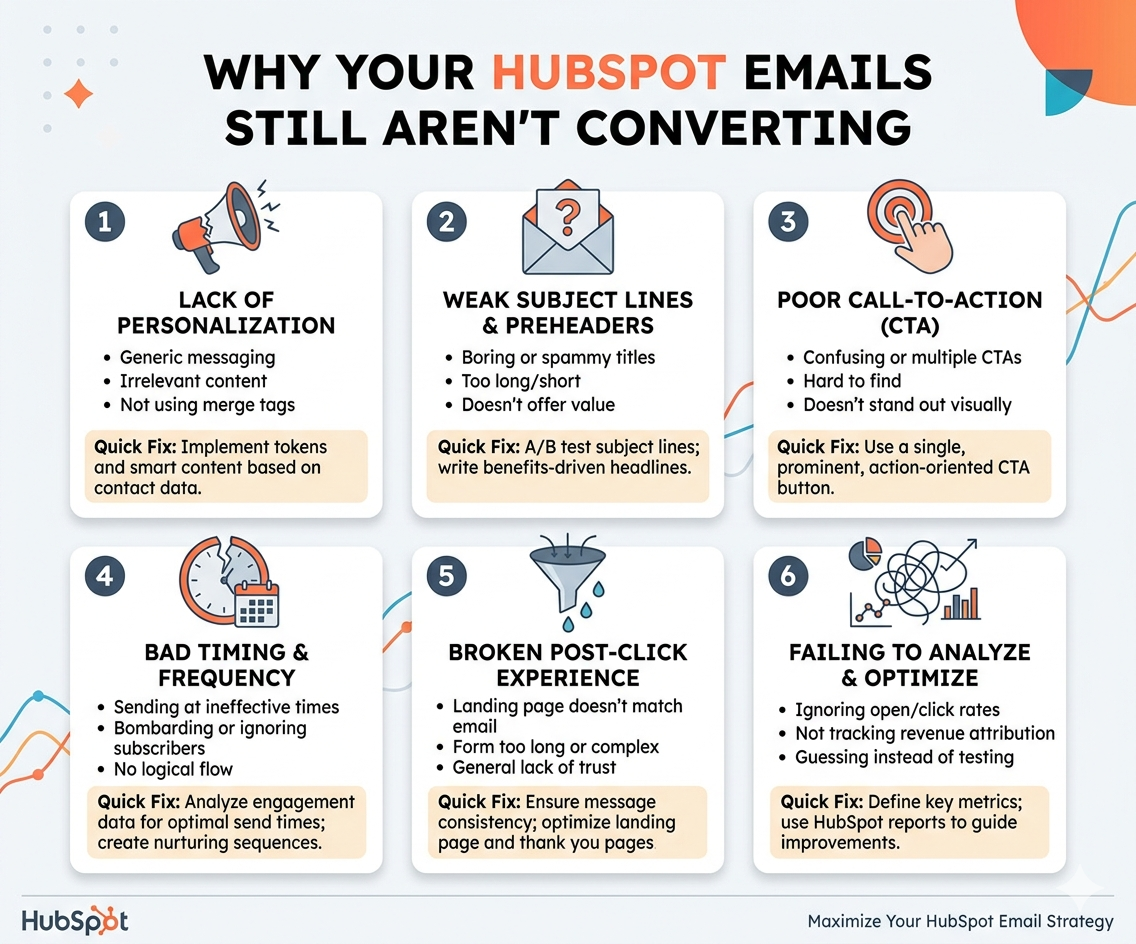
Even after implementing standard email practices, many campaigns fail because they don’t reflect what users are actually doing. Emails that ignore actions like page visits, downloads, or abandoned forms feel disconnected from the user’s journey. Without behavioral context, messaging becomes generic instead of timely and meaningful. When users don’t see relevance, they simply don’t engage, which directly impacts conversions
Emotional Disconnect in Messaging
A major reason emails underperform is that they fail to connect on a human level. Many campaigns focus heavily on features, promotions, or announcements, but overlook the reader’s real challenges and motivations. Conversions happen when users feel understood and see clear value. If your emails don’t address pain points or spark interest emotionally, they’re unlikely to drive action.
Inconsistent Brand Experience
Consistency across touchpoints plays a bigger role than most marketers realize. When your email tone, visuals, or messaging differ from your website or landing pages, it creates confusion and reduces trust. Users expect a seamless experience, and even small inconsistencies can make your brand feel unreliable. This friction often leads to drop-offs before conversion happens.
Poor Timing and Email Cadence
The frequency and timing of emails can significantly influence performance. Sending too many emails can overwhelm your audience, while sending too few can cause them to lose interest or forget about your brand entirely. Without a strategy that aligns with user behaviour and lifecycle stages, even well-crafted emails can fail to convert. Finding the right balance is essential for maintaining engagement.
Weak Post-Click Experience
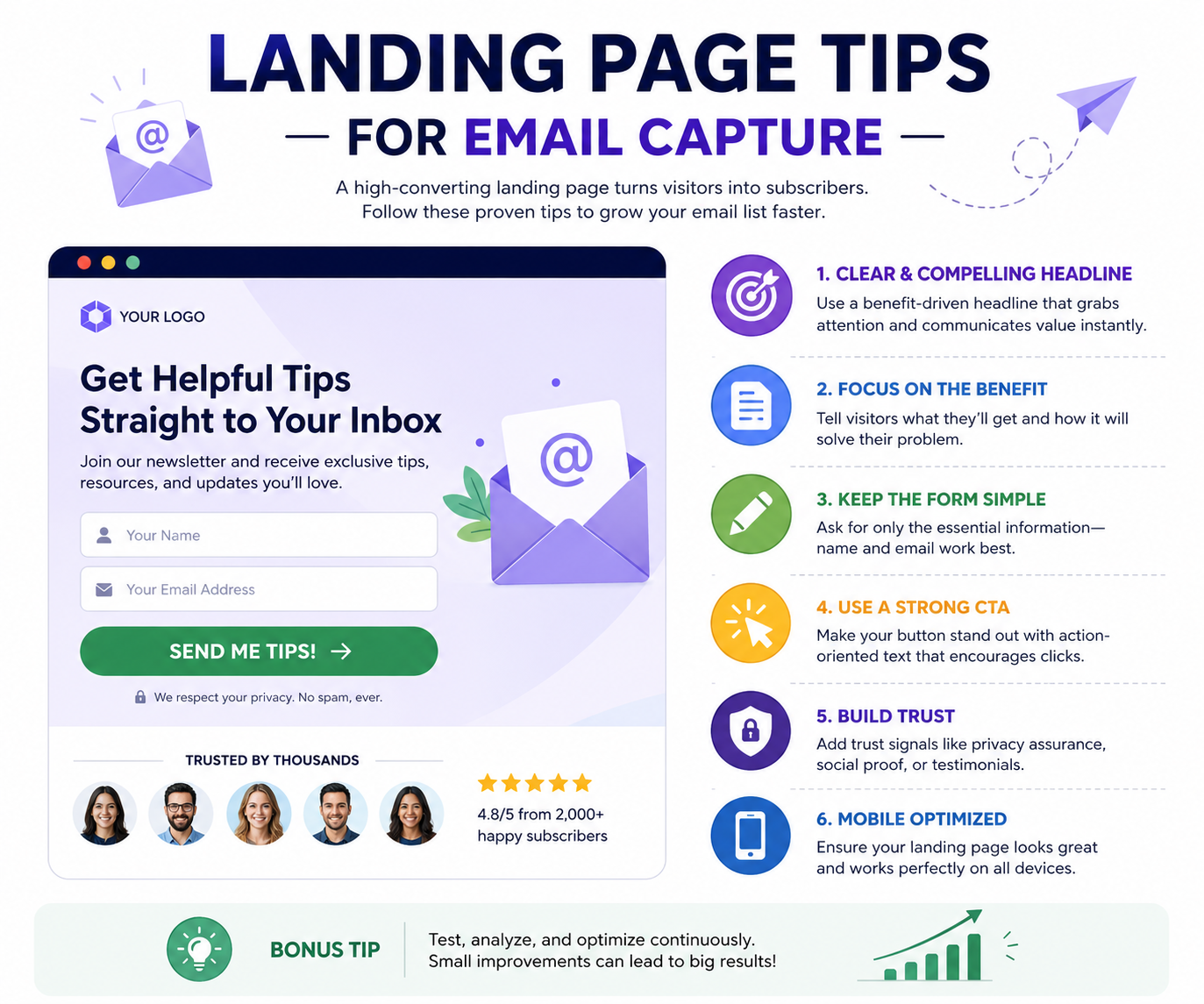
Getting a click is only part of the journey, but many campaigns stop optimizing at that point. If the landing page doesn’t match the email’s message, loads slowly, or feels confusing, users quickly lose interest. Conversion depends on a smooth transition from email to landing page, where expectations are met and the next step is clear and easy to take.
Lack of Strategic Depth
Many email strategies focus only on surface-level tactics like design and subject lines, without addressing the bigger picture. Effective email marketing requires a deeper understanding of audience intent, content flow, and long-term engagement. Without this depth, campaigns may look good but fail to deliver meaningful results.
Conclusion
Low conversion rates are rarely caused by a single issue. Instead, they stem from multiple small gaps in strategy, execution, and alignment. By addressing these areas with a more thoughtful and user-focused approach, you can significantly improve the effectiveness of your HubSpot email campaigns and drive better results over time.