Social Media Marketing (SMM): What It Is, How It Works, Pros and Cons
Introduction to Social Media Marketing
Social media has become as essential as morning coffee. From scrolling Instagram reels to checking LinkedIn updates, we live on social platforms. Businesses noticed this shift—and that’s exactly how Social Media Marketing works, by meeting audiences where they spend most of their time and engaging them through relevant, value-driven content.
Why Social Media Matters in Today’s Digital World
People no longer trust ads alone. They trust brands they see, follow, and interact with daily. Social media bridges that gap by making brands feel human, relatable, and accessible.
Evolution of Social Media Marketing
Earlier, social media was just about posting photos. Today, it’s a full-fledged marketing ecosystem involving ads, influencers, data analytics, AI tools, and storytelling.
Understanding Social Media Marketing
Simple Definition of SMM
Social Media Marketing is the process of promoting products, services, or brands using social media platforms to connect with audiences, build trust, and drive business results.
Think of it like hosting a digital party 🎉—you invite people (followers), engage them (content), and gently pitch your product.
Core Objectives of Social Media Marketing
Brand Awareness
Making people recognize and remember your brand.
Lead Generation
Turning followers into potential customers.
Sales and Conversions
Driving actual purchases, sign-ups, or inquiries.
How Social Media Marketing Works
Understanding Social Media Platforms
Each platform has a unique personality. You don’t dance the same way at a wedding and a board meeting, right?
Facebook & Instagram
Best for visuals, storytelling, ads, and community building.
Ideal for B2B marketing, professional networking, and employer branding.
Twitter (X)
Great for trends, real-time updates, and brand voice.
YouTube
Perfect for long-form video content, tutorials, and vlogs.
Pinterest & Emerging Platforms
Excellent for niche audiences, inspiration-based content, and early adoption benefits.
Key Components of SMM
Content Creation
Content is the heart of SMM. Posts, reels, stories, videos, memes—each piece should add value.
Content Scheduling and Publishing
Consistency beats perfection. Scheduling tools help brands stay active without burnout.
Community Management
Replying to comments, DMs, and mentions builds trust. Silence kills engagement.
Paid Advertising
Social media ads allow precise targeting—age, location, interests, behavior—you name it.
Analytics and Performance Tracking
Numbers tell stories. Likes, shares, reach, CTR, and conversions show what’s working.
Types of Social Media Marketing
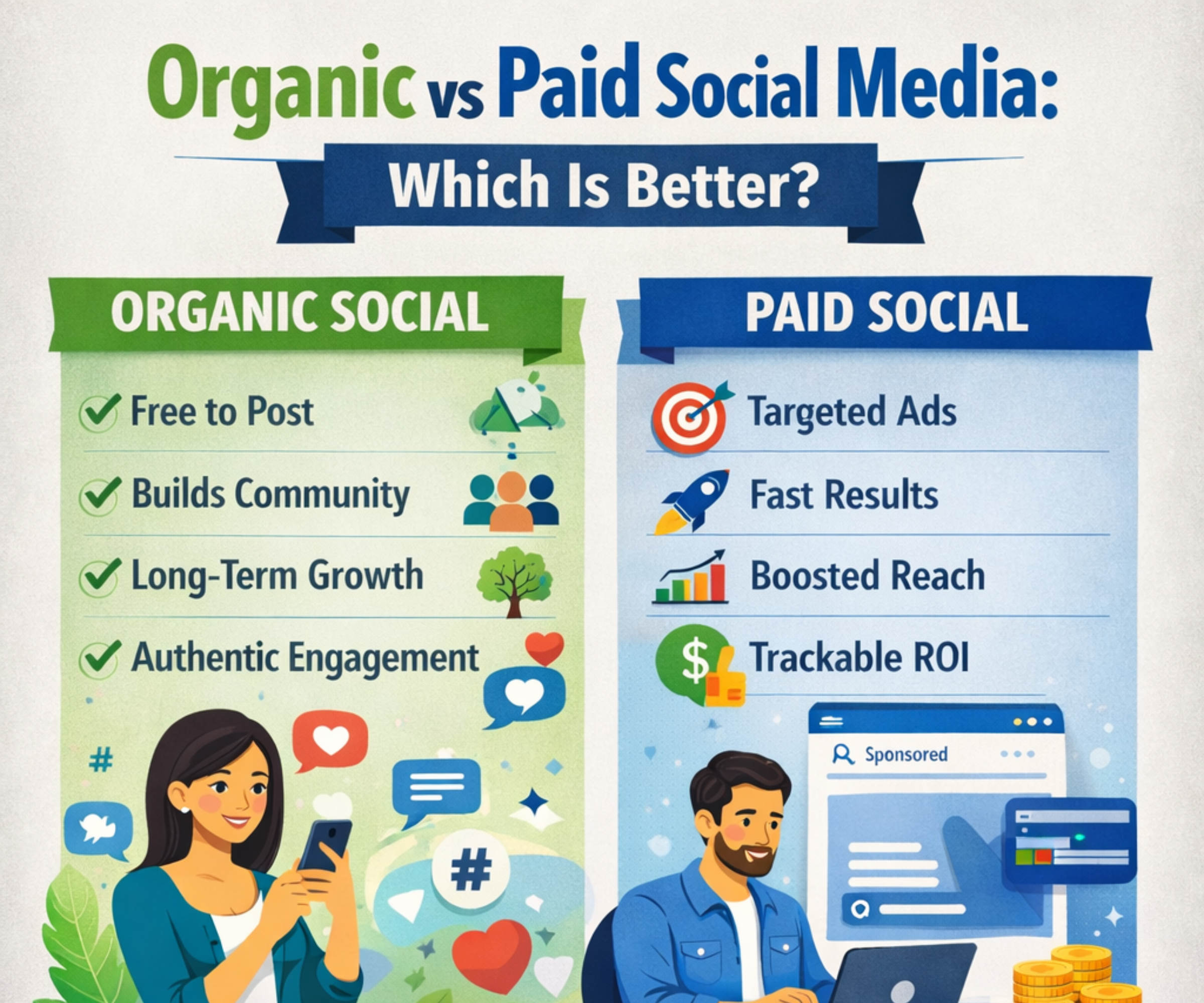
Organic Social Media Marketing
Free methods like posting content, engaging followers, and building communities naturally.
Paid Social Media Marketing
Boosted posts and ads to reach a larger or more targeted audience.
Influencer Marketing
Collaborating with influencers to promote products authentically.
Video and Short-Form Content Marketing
Reels, Shorts, and TikToks dominate attention spans today.
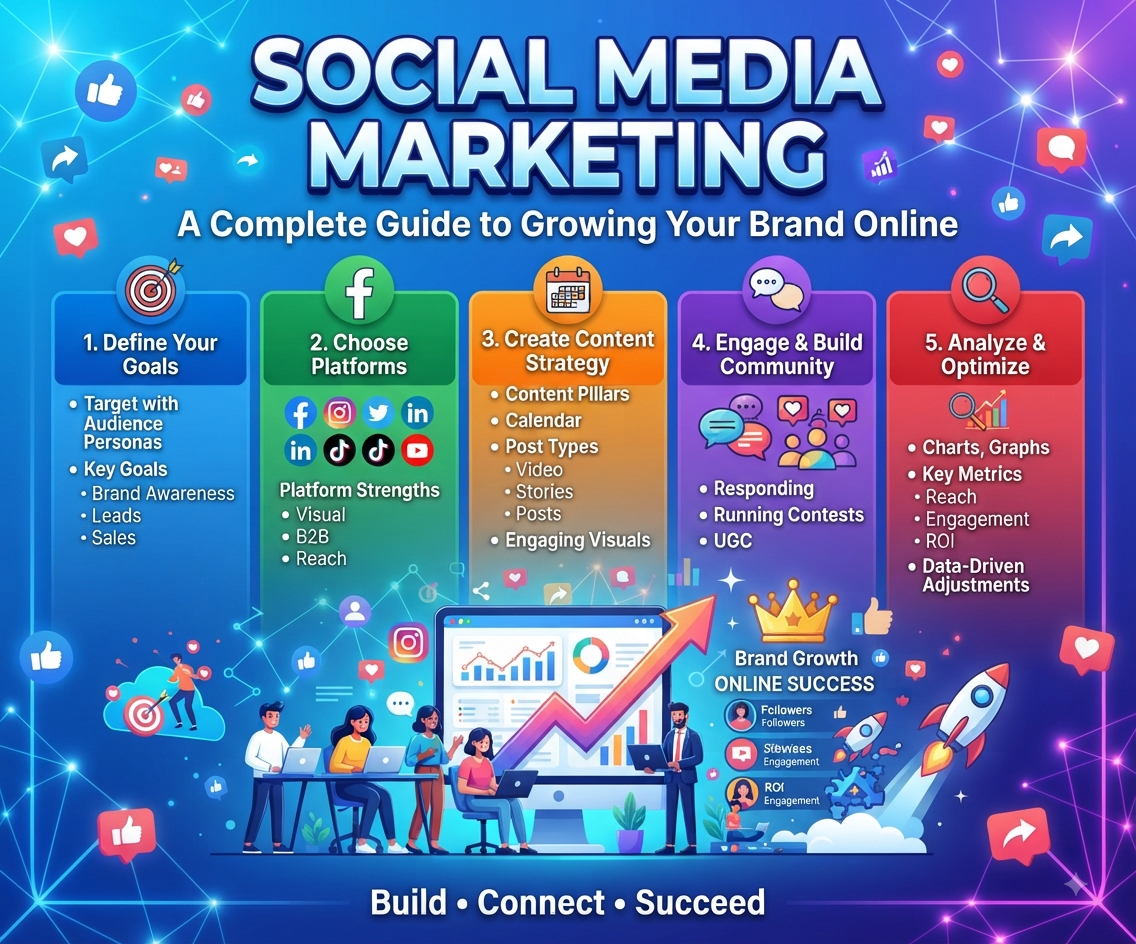
Social Media Marketing Strategy Explained
Setting Clear Goals
No goal = no direction. Decide whether you want awareness, leads, or sales.
Identifying Target Audience
Know who you’re talking to, or you’ll talk to everyone—and reach no one.
Choosing the Right Platforms
Be where your audience lives, not everywhere at once.
Creating a Content Calendar
Planning saves time and ensures consistency.
Monitoring and Optimizing Performance
Test, analyze, improve, repeat. That’s the SMM cycle.
Tools Used in Social Media Marketing
Content Creation Tools
Design and video tools make content visually appealing.
Scheduling Tools
Helps publish content at optimal times automatically.
Analytics and Reporting Tools
Track performance and audience behavior.
Paid Ads Management Tools
Manage campaigns, budgets, and targeting efficiently.
Advantages of Social Media Marketing
Cost-Effective Marketing
Even small businesses can compete with big brands.
Improved Brand Awareness
Reach thousands—or millions—instantly.
Better Customer Engagement
Direct interaction builds loyalty.
Higher Website Traffic
Social posts drive users to websites and landing pages.
Real-Time Performance Measurement
Instant feedback helps quick decision-making.
Disadvantages of Social Media Marketing
Time-Consuming Process
Creating quality content regularly takes effort.
Negative Feedback and Public Criticism
Bad comments are visible to everyone.
Constant Algorithm Changes
What worked yesterday may fail today.
High Competition
Standing out requires creativity.
Requires Consistency and Creativity
Inconsistency leads to invisibility.
Social Media Marketing for Businesses
Small Business Benefits
Local reach, affordability, and customer connection.
Role of SMM in Startups
Build brand presence without huge budgets.
Enterprise-Level Social Media Marketing
Advanced analytics, paid ads, and global reach.
Common Mistakes in Social Media Marketing
Posting Without Strategy
Random posts = random results.
Ignoring Analytics
Data is your roadmap.
Over-Promotion
Sell less, add more value.
Not Engaging with Followers
Social media is a two-way street.
Future of Social Media Marketing
AI and Automation in SMM
Smarter targeting and content suggestions.
Rise of Video and Live Content
Video is no longer optional—it’s essential.
Personalization and Community-Based Marketing
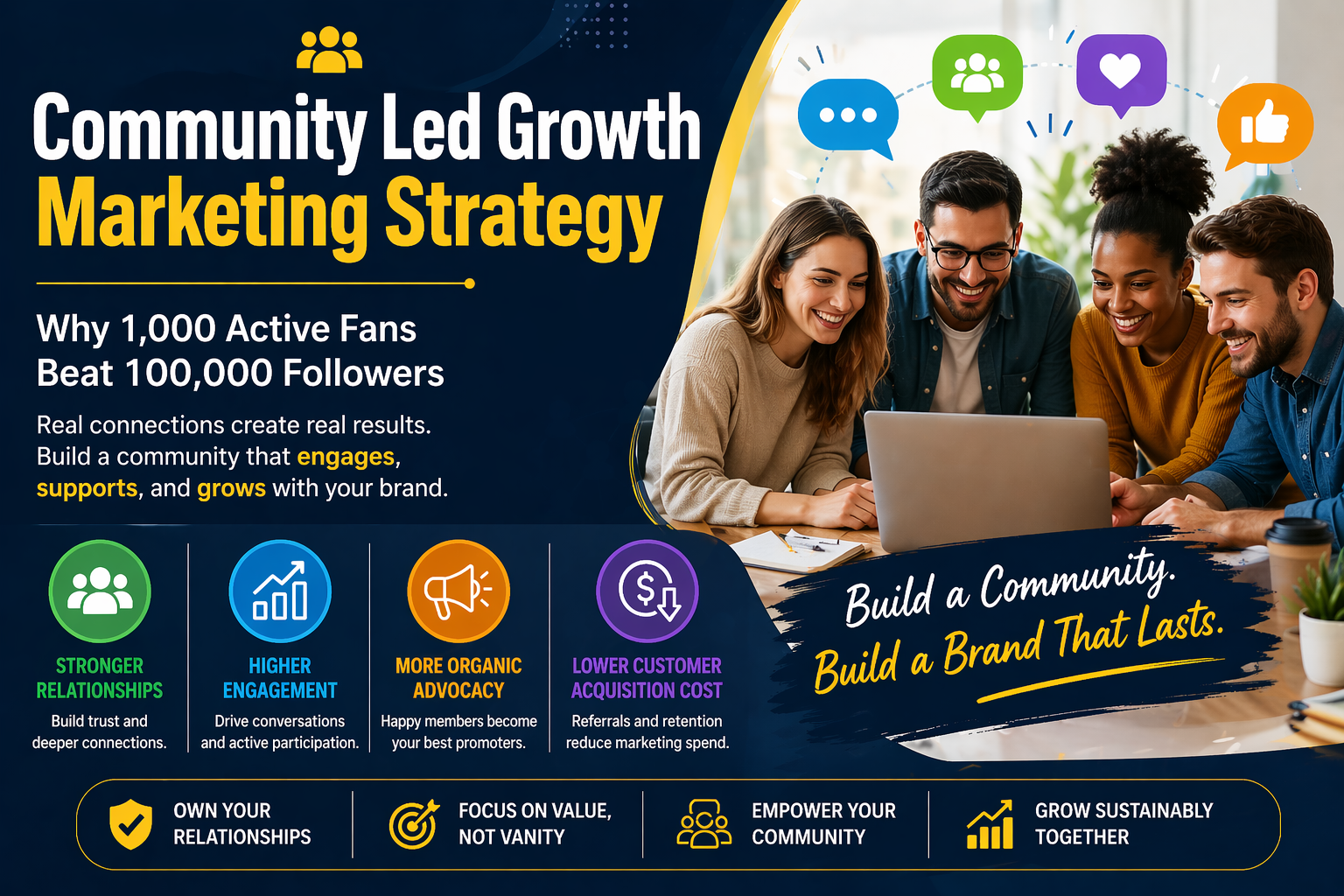
People want connection, not just content.
Social Media Marketing vs Traditional Marketing
Cost Comparison
SMM is more budget-friendly.
Reach and Targeting
More precise and measurable.
Performance Tracking
Traditional marketing can’t match real-time data.
Conclusion
Social Media Marketing is no longer a choice—it’s a necessity. Whether you’re a startup, small business, or established brand, SMM helps you connect, convert, and grow. Like a conversation at a café, success lies in listening, responding, and being genuine. Done right, social media marketing can transform brands into communities and followers into customers.
Frequently Asked Questions (FAQs)
1. Is social media marketing suitable for all businesses?
Yes, any business with an audience online can benefit.
2. How long does it take to see results from SMM?
Organic results take time; paid ads deliver faster outcomes.
3. Which social media platform is best for marketing?
It depends on your target audience and business goals.
4. Is paid social media marketing necessary?
Not mandatory, but it accelerates growth.
5. Can I do social media marketing without technical skills?
Yes, with basic training and the right tools.
Ready to turn social media knowledge into real-world skills?
Join the Social Media Marketing program at NIDM (National Institute of Digital Marketing) and learn industry-ready strategies, tools, and techniques to build brands, drive engagement, and grow businesses with confidence.