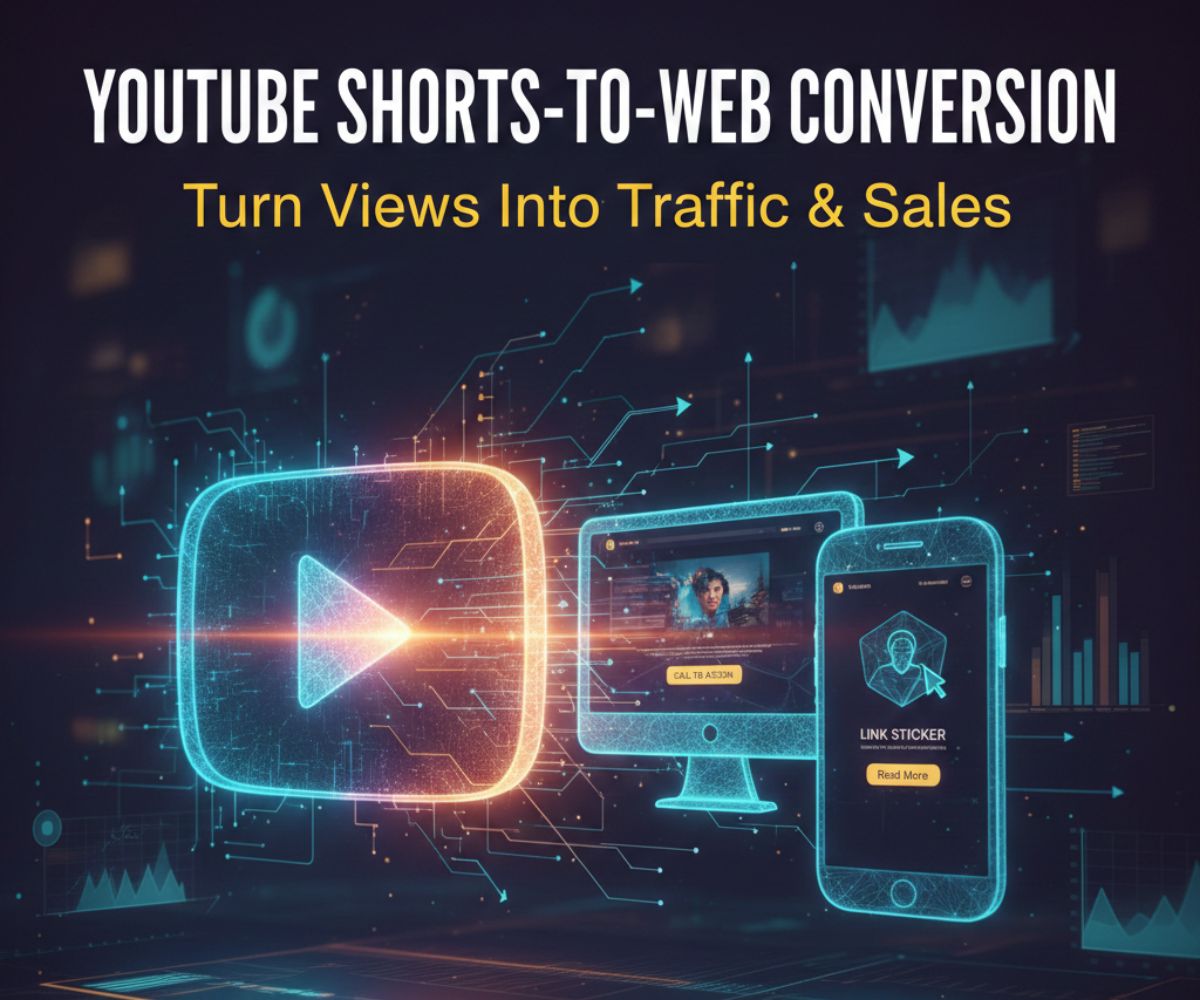
YouTube Shorts Web Conversion is reshaping how creators and marketers turn short form video views into meaningful website traffic.
Scroll based discovery, bite sized videos, and instant gratification have reshaped user behavior across platforms. Yet for years, marketers and creators have faced one frustrating problem: how do you turn short-form attention into meaningful website traffic or conversions?
That’s where YouTube’s new “Shorts-to-Web” conversion update changes the game.
With streamlined external linking, smarter comment interactions, and improved discoverability for creators, YouTube is finally offering a clear bridge between Shorts and the web. This update directly addresses one of the biggest gaps in short form video marketing monetization and traffic ownership.
In this in-depth guide, we’ll break down exactly what’s changed, why it matters, and how you can use new features like link stickers, pinned comments, and blog embeds to turn Shorts viewers into engaged website visitors.
Why Short Form Video Has a Traffic Problem
Short form video excels at reach, not necessarily results.
Creators get views. Brands get impressions. But when it comes to:
- Website visits
- Email sign-ups
- Product page clicks
- Lead generation
…short-form content often falls short.
The core issue is platform friction. Most short form platforms are designed to keep users inside the app. External links are hidden, limited, or discouraged. As a result, creators build audiences they don’t fully own.
YouTube Shorts historically had the same issue. Massive reach, minimal control.
What Is YouTube Shorts Web Conversion?
YouTube Shorts Web Conversion refers to YouTube’s new ability to help creators move Shorts viewers to external websites using improved linking and engagement tools.
The “Shorts-to-Web” update is not one single feature. It’s a set of improvements designed to help creators guide Shorts viewers toward meaningful actions outside YouTube.
The update focuses on three core areas:
- New link stickers in Shorts
- Improved pinned comment visibility and interaction
- Stronger SEO and engagement signals when Shorts are embedded in blogs
Together, these changes turn Shorts from passive content into active traffic drivers.
Why This Update Matters for Marketers and Creators
If you’re a marketer, blogger, course creator, or business owner, this update solves three long standing challenges:
- Traffic Ownership – You can now guide viewers to assets you control.
- Conversion Pathways – Shorts can feed blogs, landing pages, and funnels.
- SEO Amplification – Video + text improves engagement metrics.
In short: Shorts are no longer just awareness tools.
They are now entry points.
New Link Stickers in YouTube Shorts Explained


The biggest headline feature of this update is the introduction of link stickers in YouTube Shorts.
What Are Link Stickers?
Link stickers are clickable visual elements added directly to Shorts that allow creators to send viewers to:
- Blog posts
- Product pages
- Lead magnets
- Course landing pages
- External tools or resources
Instead of burying links in descriptions (which most Shorts viewers never open), link stickers place the action inside the viewing experience.
How Link Stickers Change Viewer Behavior
Link stickers work because they align with natural user behavior.
Shorts viewers:
- Watch with sound off or on-the-go
- Scroll quickly
- Prefer visual cues over text
A well-placed sticker with a clear call-to-action like “Read the Full Guide” or “Get the Free Checklist” reduces friction dramatically.
Key benefits of link stickers:
- Higher click-through rates
- Better intent-based traffic
- Stronger conversion signals
This makes Shorts viable not just for creators but for performance driven marketers.
Using Pinned Comments to Support Web Conversion

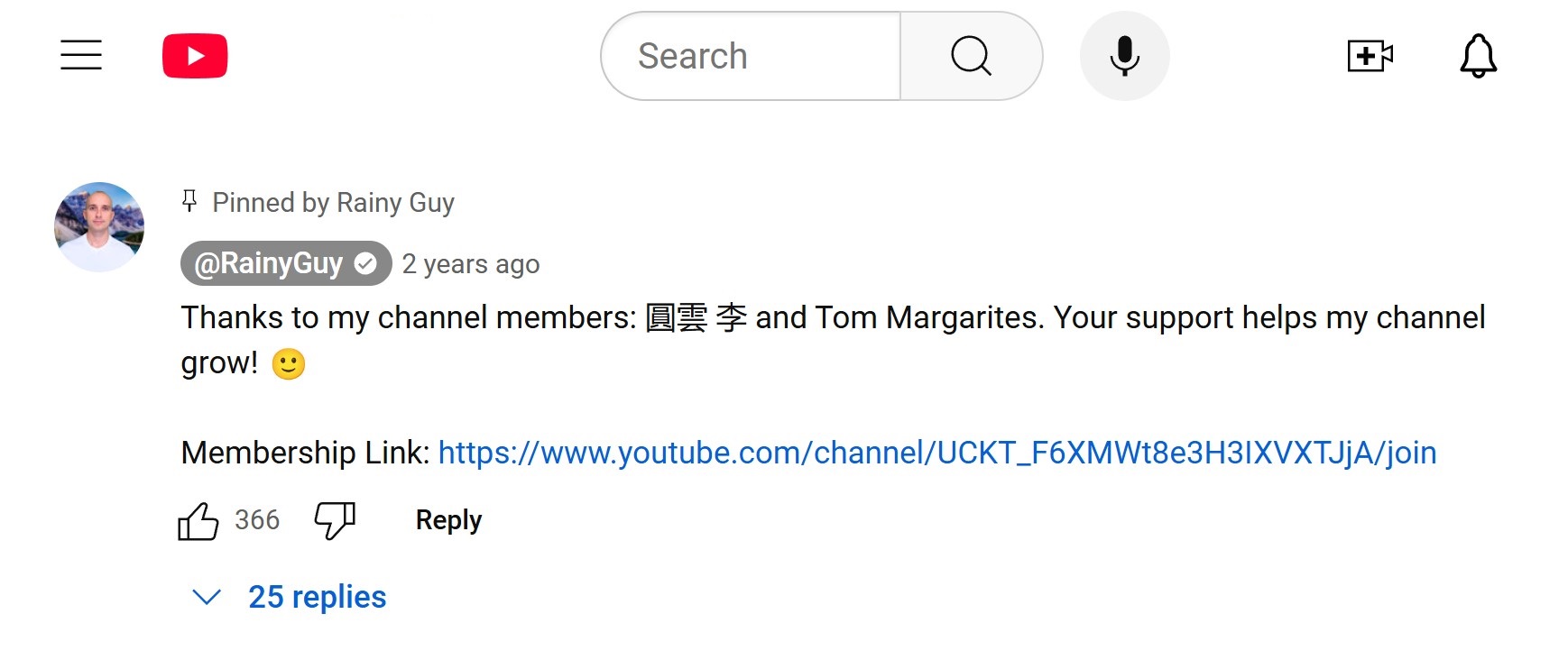
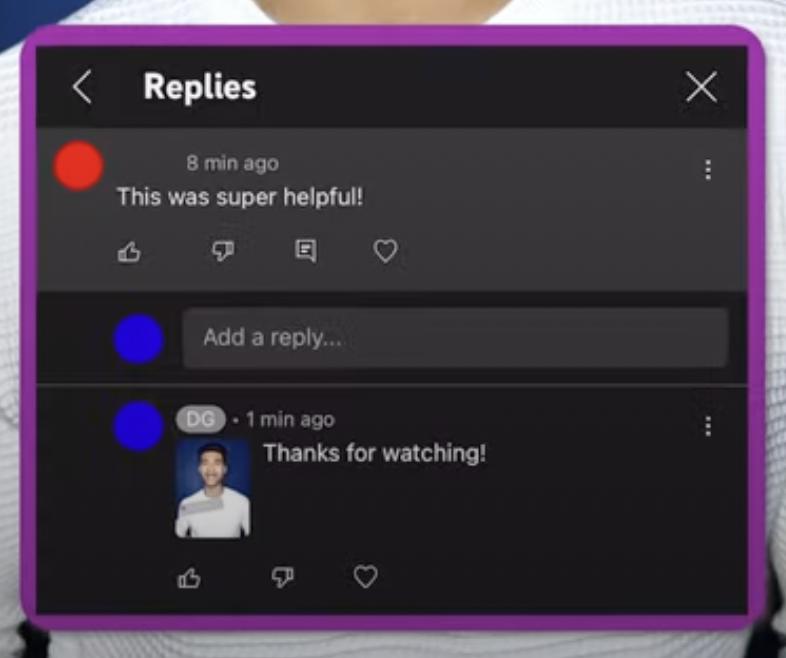
Pinned comments now play a bigger role in YouTube Shorts Web Conversion. In addition to link stickers, pinned comments reinforce the call to action.
Why Pinned Comments Matter
Pinned comments act as a secondary CTA layer.
They allow you to:
- Add context that doesn’t fit in a 60-second video
- Answer common questions
- Reinforce your link sticker message
- Encourage discussion and replies
For example, a pinned comment might say:
“Want the full breakdown? The complete guide is linked above 👆”
This creates repetition without annoyance, which is critical for conversions.
The SEO Power of Embedding YouTube Videos in Blogs
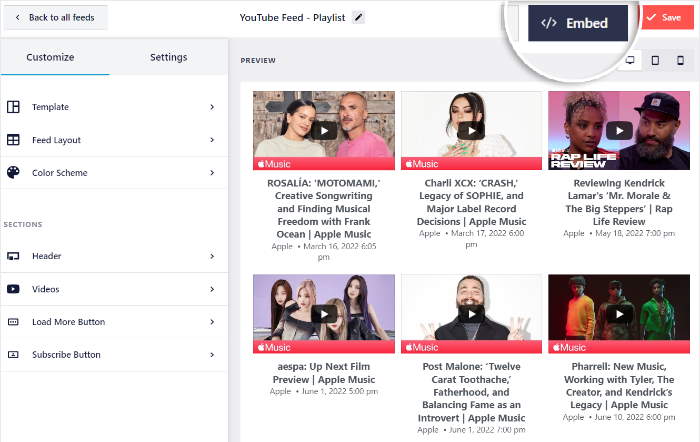
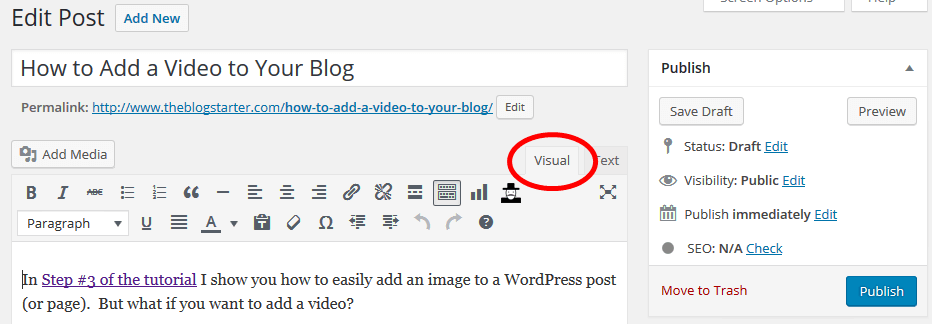
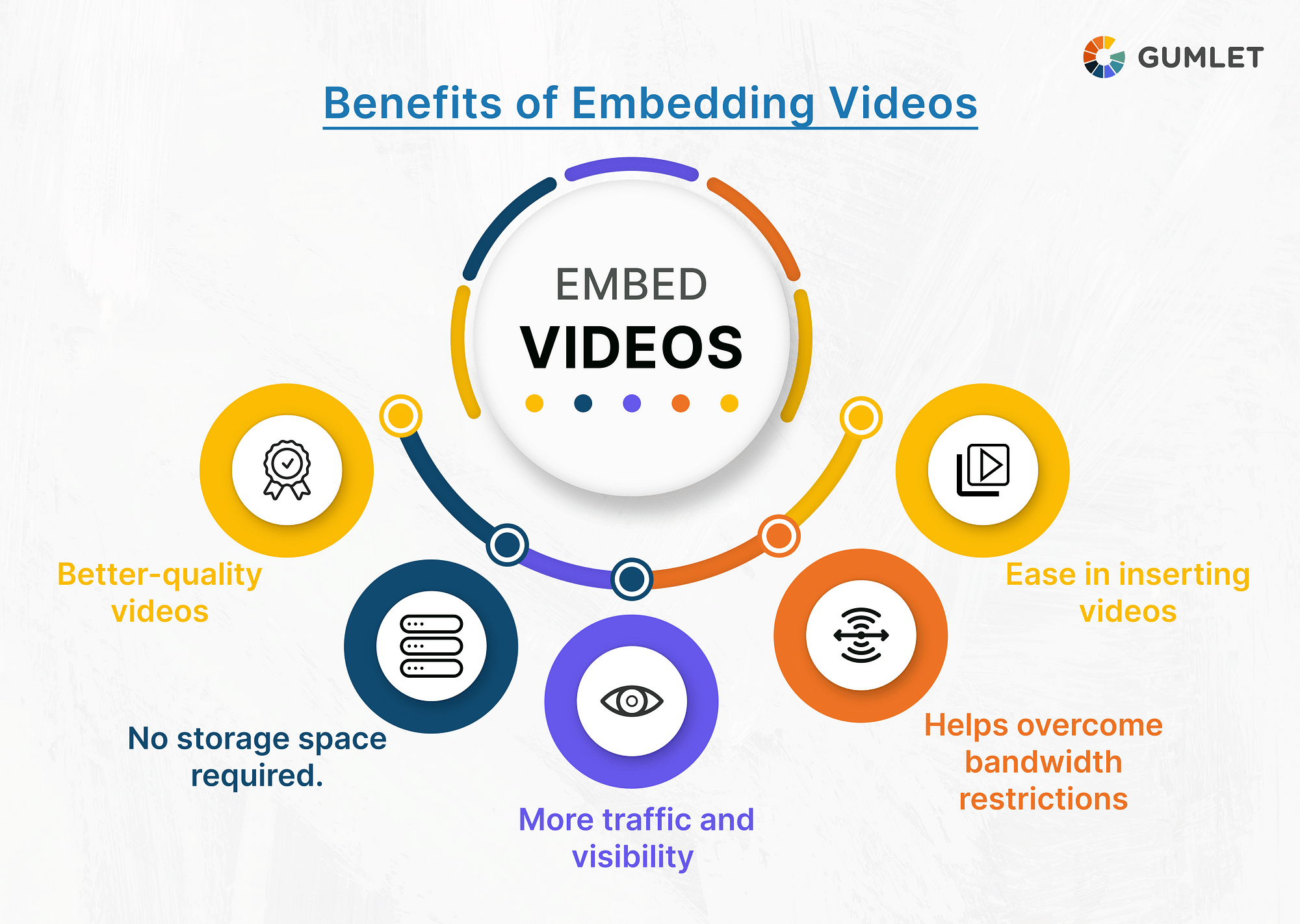
One of the most overlooked parts of this update is how it strengthens SEO when YouTube videos are embedded in blog content.
According to multiple marketing case studies, embedding relevant YouTube videos in blog posts can increase time-on-page by around 22%.
Why Time-on-Page Matters
Search engines interpret longer dwell time as a signal that:
- Content is relevant
- Users are engaged
- The page satisfies search intent
This can indirectly improve rankings for competitive keywords.
How Blog + Shorts Create a Compounding Traffic Effect
When you combine Shorts and blogs strategically, something powerful happens:
- Shorts drive discovery
- Link stickers drive traffic to blogs
- Blogs embed YouTube videos
- Users spend more time on-page
- SEO signals improve
- Blogs rank higher
- More organic traffic flows back to YouTube
This creates a self-reinforcing loop.
Instead of choosing between video or text, you let them amplify each other.
Step-by-Step: Turning Shorts into Website Traffic Funnels
Here’s a simple framework you can use immediately.
1: Create One Core Blog Post
Choose a topic with clear search intent. Long-form, useful, and actionable.
2: Embed a Relevant YouTube Video
Use either a Short or a long-form video that supports the content.
3: Repurpose Key Ideas into Shorts
Extract 3–5 punchy insights from the blog and turn them into Shorts.
4: Add Link Stickers
Point each Short back to the same blog post.
5: Reinforce with Pinned Comments
Use consistent messaging across all Shorts.
This turns one piece of content into a traffic system, not a one-off post.
Common Mistakes to Avoid with Shorts-to-Web Linking
Even with the update, mistakes can kill performance.
Avoid these pitfalls:
- Linking to generic homepages
- Using vague CTAs like “Click here”
- Sending traffic to slow or unoptimized pages
- Ignoring mobile page speed
- Overloading Shorts with multiple actions
Remember: clarity beats creativity when it comes to conversions.
Measuring Success: Metrics That Actually Matter
Views are nice but they don’t pay the bills.
Focus on these metrics instead:
- Click-through rate (CTR) from link stickers
- Average session duration on linked pages
- Bounce rate from Shorts traffic
- Conversion rate (email sign-ups, leads, sales)
When these numbers move, you know your Shorts-to-Web strategy is working.
Future Implications for YouTube SEO and Content Strategy
This update signals something important: YouTube wants creators to succeed beyond the platform.
That’s a major shift.
Expect future improvements like:
- Better analytics for external link clicks
- More customizable sticker designs
- Deeper integration between Shorts and long-form content
- Stronger SEO alignment between YouTube and web pages
Creators who adapt early will have a massive advantage.
Conclusion: Shorts Are No Longer a Dead End
For years, short form video felt like borrowed attention. You got views—but not ownership.
With YouTube’s “Shorts-to-Web” conversion update, that changes.
Link stickers create frictionless pathways.
Pinned comments reinforce intent.
Blog embeds improve SEO and engagement.
Together, these features transform Shorts from passive entertainment into active growth engines.
If you’ve struggled to monetize short-form content or drive real traffic from it, this update isn’t just helpful—it’s a turning point.
Shorts are no longer the end of the journey.
They’re the beginning.
As an institute dedicated to practical digital education, NIDM (National Institute of Digital Marketing)provides hands on training with the latest platform features to ensure marketers can turn viral moments into sustainable website traffic.