Creating Buyer Personas for Better Content
Creating buyer personas is one of the most powerful strategies in content marketing because it helps you speak directly to the people who matter most to your business. Instead of producing generic content for a broad audience, you can develop focused, relevant, and personalized messaging based on real customer data, behaviors, goals, and challenges. As a result, your content becomes more engaging, more helpful, and far more likely to convert.
Introduction to Buyer Personas
What Is a Buyer Persona?
Imagine trying to write a letter without knowing who will read it. Would you sound formal or casual? Detailed or brief? Without clarity about your reader, your message loses impact.
A buyer persona is a semi-fictional representation of your ideal customer built from research, analytics, and real customer insights. Typically, it includes:
-
Demographics
-
Interests and behaviors
-
Goals and motivations
-
Challenges and pain points
-
Buying triggers
Rather than writing for “everyone,” you start writing for specific individuals like Ravi the Startup Founder or Anita the Busy Marketing Manager. Consequently, your messaging becomes sharper and more persuasive.
Why Buyer Personas Matter in Content Marketing
Content without direction is like throwing darts in the dark. By defining buyer personas, you give your strategy focus and precision.
For example, well-developed personas help you:
-
Create highly relevant topics
-
Use the right tone and language
-
Choose effective content formats
-
Improve engagement and conversions
Most importantly, when people feel understood, they pay attention. In today’s digital world, attention is the currency of modern marketing.
The Connection Between Buyer Personas and Content Success
Understanding Audience Intent Through Buyer Personas
Every reader arrives with a purpose. While some are looking for information, others are searching for solutions. Meanwhile, a few are already prepared to make a purchase.
With clear buyer personas, you can identify:
-
The problems your audience wants to solve
-
The questions they search for online
-
Their stage in the buying journey
When your content aligns with that intent, it feels helpful rather than promotional.
How Buyer Personas Improve Engagement and Conversions
Personalized content performs better because relevance builds trust. In fact, when readers recognize their own challenges in your message, they naturally engage more.
They are more likely to:
-
Spend additional time on your website
-
Click on internal links
-
Share your content
-
Take meaningful action
Ultimately, strong personas transform your content from a one-sided speech into a genuine conversation.
Types of Buyer Personas
Demographic Buyer Personas
To begin with, demographic data provides foundational insights, including:
-
Age
-
Gender
-
Location
-
Job role
-
Income level
-
Education
Although demographics offer a starting point, they rarely tell the complete story.
Behavioral Buyer Personas
In contrast, behavioral data reveals deeper motivations. This includes:
-
Buying habits
-
Content preferences
-
Online engagement patterns
-
Decision-making processes
Because behavior reflects intent, it allows you to predict future actions more accurately.
B2B vs B2C Buyer Personas
The approach also differs depending on your market.
B2B personas typically focus on:
-
Business growth
-
ROI and performance metrics
-
Team decision-making
On the other hand, B2C personas emphasize:
-
Lifestyle needs
-
Emotional triggers
-
Personal benefits
Therefore, your messaging should align with the type of audience you serve.
How to Research Buyer Personas Effectively
Using Website Analytics
First, analytics tools provide valuable behavioral data such as:
-
High-performing pages
-
Traffic sources
-
User demographics
-
Average time on site
This information reveals what your audience actually values.
Conducting Customer Interviews
In addition to analytics, direct conversations uncover emotional insights. For instance, you might ask:
-
What problem were you trying to solve?
-
Why did you choose our solution?
-
What nearly stopped you from purchasing?
These answers often highlight buying triggers and objections.
Social Media Listening
Finally, social platforms offer real-time audience feedback. By monitoring comments, discussions, and trending questions, you gain a clearer understanding of daily frustrations and expectations.
Key Elements of an Effective Buyer Persona
Goals and Motivations
Every persona has a desired outcome. Some seek higher revenue, while others want more free time or reduced stress. Therefore, your content should position your brand as the bridge between their current challenges and future goals.
Pain Points and Challenges
Equally important are the obstacles they face, such as:
-
Daily frustrations
-
Skill gaps
-
Budget constraints
-
Time limitations
When your content removes these barriers, trust grows naturally.
Buying Triggers
Finally, consider what drives action. Deadlines, competition, cost savings, or growth opportunities often push prospects to decide. By understanding these triggers, you can craft stronger calls to action.
Step-by-Step Guide to Creating Buyer Personas
Step 1: Gather Data
Start by collecting information from analytics tools, CRM systems, surveys, and sales insights. The broader your data sources, the clearer your persona becomes.
Step 2: Identify Patterns
Next, look for recurring similarities such as shared job roles or common pain points. Group these patterns into meaningful audience segments.
Step 3: Create Persona Profiles
After that, build detailed profiles including:
-
A name and fictional identity
-
Professional background
-
Goals
-
Challenges
-
Preferred content channels
For example:
Marketing Manager Meera needs fast, actionable strategies and prefers short videos and downloadable templates.
Step 4: Validate and Update
Because markets constantly evolve, personas should be reviewed every 6–12 months. Regular updates ensure your strategy remains aligned with real customer behavior.
Using Buyer Personas in Your Content Strategy
Mapping Content by Funnel Stage
Different stages require different content formats. For example:
-
Awareness: Blog posts and educational guides
-
Consideration: Case studies and comparison articles
-
Decision: Testimonials and product demos
By aligning both persona and journey stage, you increase conversion potential.
Personalizing Content Formats
Not all audiences consume content the same way. While some prefer in-depth articles, others engage more with short videos or emails. Therefore, always consider where your persona spends time and how they prefer to learn.
Common Mistakes to Avoid
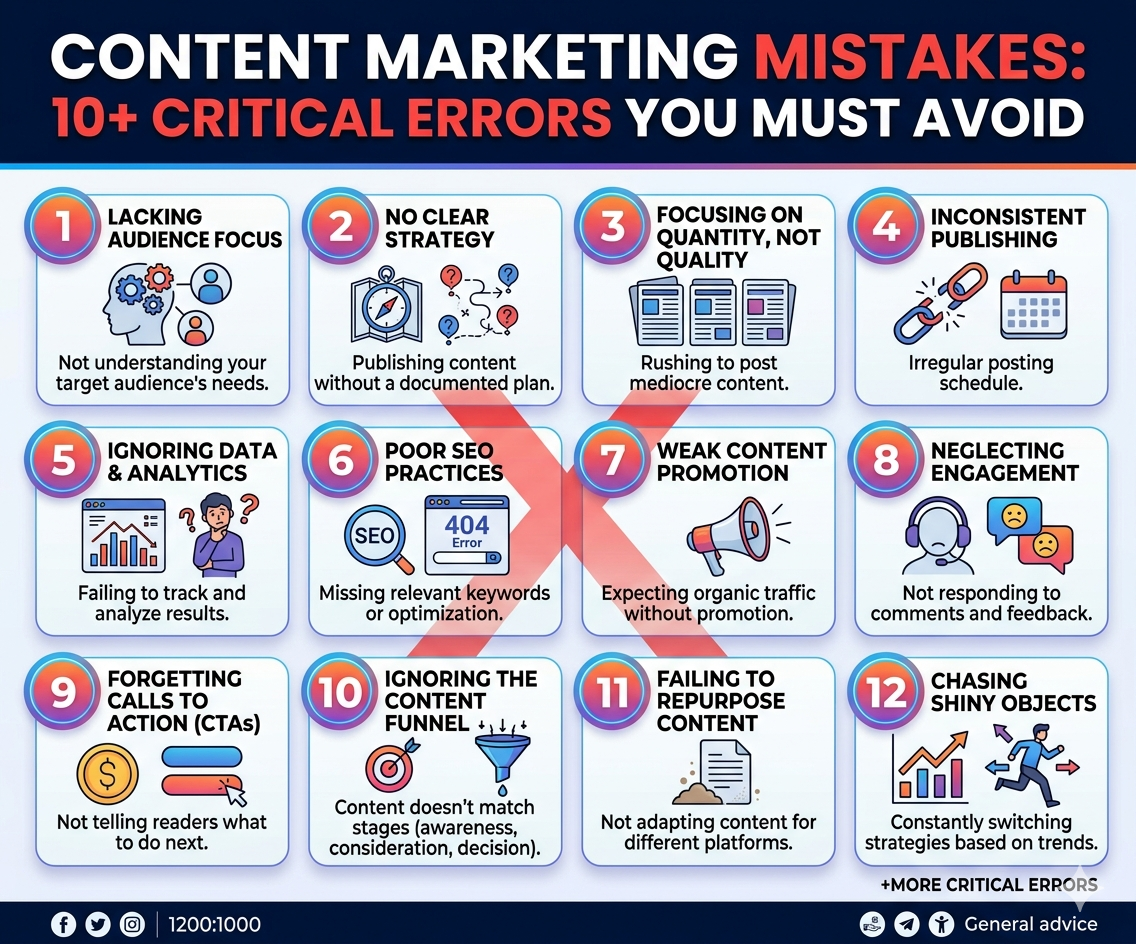
First, avoid relying on assumptions. Without real data, personas become guesswork.
Second, resist creating too many personas. Instead of building 10–15 profiles, focus on 2–4 high-impact segments.
Conclusion
Creating buyer personas is more than a marketing tactic; it is a strategic mindset. By understanding your audience deeply, you shift from broadcasting messages to delivering meaningful solutions. Leading institutions like NIDM (National Institute of Digital Marketing) emphasize the importance of audience research and persona development as a core foundation of successful digital marketing strategies.
In the end, effective content speaks to one clearly defined person—not everyone. So before publishing your next piece, pause and ask yourself:
Who am I really speaking to?