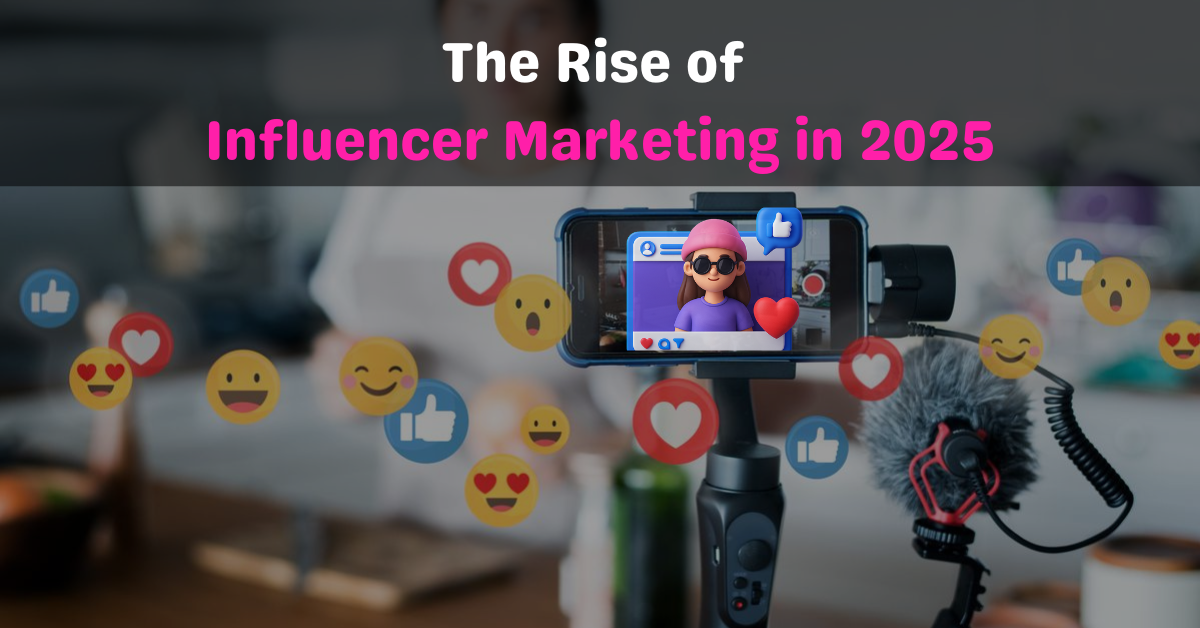
Influencer marketing in 2025 is no longer just a buzzword — it’s a central pillar of digital marketing strategies across industries. Brands have realized that consumers trust creators far more than traditional advertising channels, and this shift is reshaping the entire marketing ecosystem. With platforms evolving rapidly, creators diversifying their content, and audiences demanding authenticity, influencer partnerships are becoming more impactful than ever. This blog explores how influencer marketing is rising in 2025, why it matters, and what trends are shaping the future.
The Rise of Influencer Marketing in 2025
Influencer marketing in 2025 is a powerful blend of authenticity, creativity, and measurable business results. What started as brands sending free products to Instagram personalities has grown into a multi-billion-dollar industry influencing nearly every corner of digital marketing. The surge is being driven by three major forces: evolving consumer behavior, advancements in social media platforms, and the increasing demand for relatable storytelling.
Consumers today crave connection. They want to hear real experiences, see honest product reviews, and feel part of a community. Influencers — whether they are nano-creators with a few thousand followers or mega-stars with millions — offer that authenticity. Unlike polished brand campaigns, influencer content feels raw, personal, and trustworthy. This is why studies in 2025 show that more than 80% of Gen Z and Millennials make purchase decisions based on creator recommendations.
At the same time, digital marketing platforms are fueling this growth. TikTok, Instagram Reels, and YouTube Shorts have made it easier than ever for creators to reach wide audiences with short, snackable videos. Meanwhile, platforms like LinkedIn are opening doors for B2B influencer collaborations, proving that influencer marketing is not just a consumer-focused strategy. AI-powered analytics are also giving brands the ability to track performance, measure ROI, and refine influencer campaigns in real time.
Another key trend shaping influencer marketing in 2025 is the rise of micro and nano influencers. These smaller creators often outperform big names in terms of engagement, because their audiences feel more connected to them. For brands, this means better targeting, higher trust, and lower costs compared to celebrity partnerships. It’s no longer about reaching the most people — it’s about reaching the right people.
Content diversification is also at its peak. Influencers are not limited to Instagram photos anymore. They’re producing podcasts, live streams, educational content, and even co-creating digital products with brands. This evolution is blurring the line between creator and entrepreneur, with many influencers becoming long-term brand partners rather than one-off campaign hires. In fact, co-branded product launches are becoming one of the hottest digital marketing strategies in 2025.
Of course, with growth comes challenges. Transparency, ethical marketing, and regulation are bigger than ever. Audiences demand disclosure of partnerships, and governments are tightening rules on influencer advertising. Brands that prioritize honesty and transparency in collaborations are more likely to build lasting trust and loyalty. This is why influencer contracts, legal guidelines, and ethical standards are now a core part of every campaign strategy.
Looking ahead, the integration of technology will take influencer marketing to the next level. From augmented reality filters to AI-generated influencers, brands are experimenting with new ways to engage audiences. Virtual influencers — computer-generated personalities with large followings — are already collaborating with global companies. While controversial, they highlight how fast the industry is evolving. The balance between human authenticity and digital innovation will define the next phase of influencer marketing.
Conclusion
Influencer marketing in 2025 isn’t just a passing digital marketing trend — it’s the future of brand communication. With authenticity at the heart of consumer decision-making, creators play a critical role in shaping how audiences engage with products and services. Brands that embrace this shift, invest in meaningful influencer partnerships, and adapt to the changing landscape will stand out in an increasingly competitive market. The rise of influencer marketing shows us one thing clearly: trust is the new currency of digital marketing.