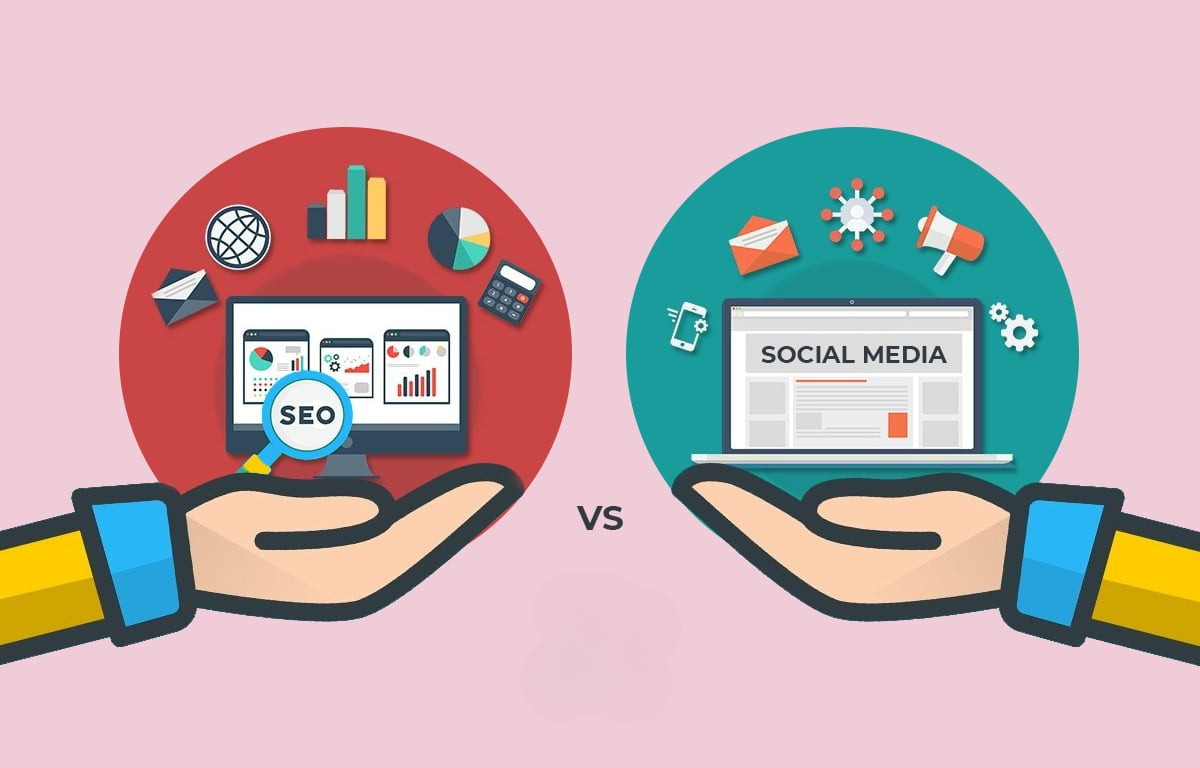
In the modern era of digital marketing, brands and businesses have countless ways to connect with their audience. Among these, Search Engine Optimization (SEO) and Social Media Marketing stand out as two of the most impactful strategies. Both aim to improve visibility, attract customers, and increase revenue—but they do so in very different ways. Choosing the right one is not just about trends; it’s about understanding your business goals and aligning them with the right approach. This blog will explore the strengths, weaknesses, and best use cases of both SEO and Social Media Marketing, helping you decide which path—or combination—is best for your brand.
- Understanding SEO in Digital Marketing
SEO, or Search Engine Optimization, is the process of improving your website so that it ranks higher in search engine results like Google or Bing. The main goal is to attract organic traffic—visitors who find your site naturally without paid ads. This involves optimizing various aspects of your website such as keywords, page speed, content quality, and backlinks.
A strong SEO strategy ensures that when potential customers search for products, services, or information relevant to your business, your website appears among the top results. Unlike paid advertising, SEO focuses on long-term visibility, making it a cost-effective choice for sustainable growth. However, SEO takes time—it may be months before you see significant results—but the payoff can be substantial once your site earns high rankings.
- The Power of Social Media Marketing
Social Media Marketing uses platforms like Facebook, Instagram, LinkedIn, Twitter (X), and TikTok to connect with audiences, build relationships, and promote products or services. Unlike SEO, which depends on search engines, social media allows you to actively engage with your audience in real time.
Through posts, videos, stories, and live sessions, brands can showcase their personality, share updates, and create viral content. Social media is highly effective for brand awareness and community building. It can drive traffic to your website, generate leads, and even result in direct sales. Additionally, social media ads allow precise targeting based on demographics, interests, and behaviors, making it easier to reach your ideal audience instantly.
- Key Differences Between SEO and Social Media Marketing
While both strategies aim to increase visibility, the way they work is fundamentally different:
Timeframe: SEO is a long-term investment, while social media can deliver quick results.
Audience Behavior: SEO targets users actively searching for something, while social media reaches people who may not be looking but can be persuaded.
Cost Structure: SEO involves initial investments in content and optimization but can bring in “free” traffic over time. Social media may require continuous ad spending for consistent visibility.
Content Lifespan: SEO-optimized content can stay relevant for years. Social media posts have a shorter lifespan but can generate instant buzz.
Measurement: SEO success is often measured through search rankings and organic traffic. Social media success is measured through likes, shares, comments, and engagement rates.
- Benefits of SEO in Digital Marketing
SEO offers several advantages for businesses that are in it for the long run:
Sustainable Traffic: Once your site ranks, it can bring steady traffic without ongoing costs.
Higher Credibility: Users trust websites that appear at the top of search results.
Better ROI: Over time, SEO can provide better returns compared to paid campaigns.
Targeted Visitors: SEO attracts people who are already interested in your niche.
Content Longevity: Quality content optimized for SEO remains valuable for years.
- Benefits of Social Media Marketing
Social Media Marketing has its own strengths that can complement or even outshine SEO in certain cases:
Instant Engagement: Reach and interact with your audience in real time.
Visual Branding: Use photos, videos, and creative posts to shape your brand image.
Virality Potential: A single post can go viral and massively increase brand exposure.
Precise Targeting: Ads can be tailored to reach specific demographics and interests.
Community Building: Develop loyal customers who feel connected to your brand.
- When to Choose SEO Over Social Media Marketing
SEO is the right choice if:
You want long-term growth without heavy ongoing ad spend.
Your target audience searches online for your products or services.
You have time to invest in creating valuable, optimized content.
You’re building a website as the core of your digital presence.
- When to Choose Social Media Marketing Over SEO
Social Media Marketing might be better if:
You want instant results and quick exposure.
Your brand thrives on visuals, storytelling, and interaction.
You’re launching a new product or running time-sensitive promotions.
Your audience spends more time on social platforms than search engines.
Conclusion
In the debate of SEO vs. Social Media Marketing, there’s no universal winner—it depends entirely on your goals, audience, and resources. SEO is a marathon that rewards patience with sustainable growth, while social media is a sprint that delivers quick visibility and engagement. The smartest brands often use a combination of both: SEO to attract long-term organic traffic and social media to keep audiences engaged and connected. By balancing these strategies, you can create a powerful, holistic digital marketing approach that maximizes your brand’s online potential.
Click Here To Learn Digital Marketing