
Search engines have gotten smarter, and by 2026, on-page SEO is about so much more than just basic keyword stuffing or checking boxes. It is focused on clarity, user intent, user experience, and trust.
A good grasp of on-page SEO means writing a piece of content that meets the criteria for high ranking, as opposed to gaming algorithmic preferences.
Below is a complete, updated, and practical on-page SEO checklist for 2026, expressed in clear and easy to grasp terms.
Whether one is a blogger, a digital marketer, want to become a digital marketer, a business owner, or an SEO professional, this guide can be treated as a reference task by task to apply to each published page.
1.Understand Search Intent before You Start Writing
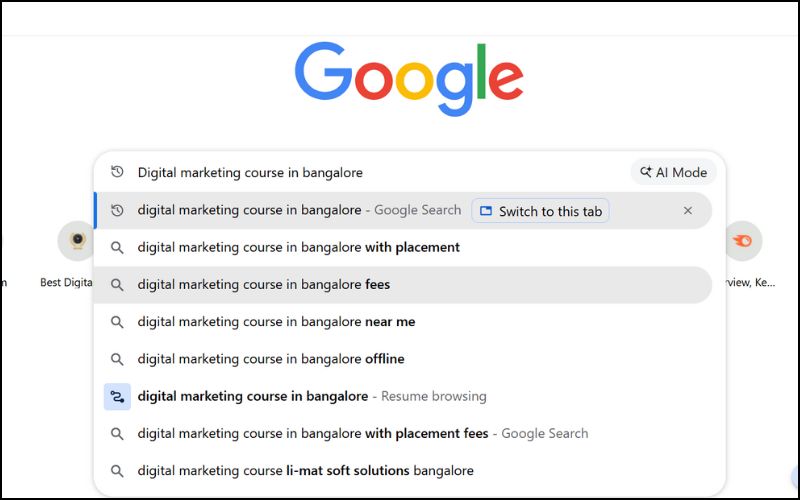
Before you write anything, ask yourself the key question: why is the user searching in this way?
By 2026, search engines prioritize intent alignment over sole keyword matching. There are four primary intent types recognized:
- Informational – to gain information.
- Navigational – identifying a brand or a page.
- Commercial – options evaluation.
- Transactional – readiness to buy or take action.
On-page SEO tasks are:
- Analyzing top ranking pages for the target keyword.
- Identifying the appropriate content format: guide, list, comparison, and tool.
- Depth, tone, and structure will be aligned with the identified intent.
- Avoiding the conflation of intents on a single page.
Key takeaway: If content is not matching user intent, optimization by itself is unlikely to yield positive rankings.
2. Topic-Focused Keyword Research
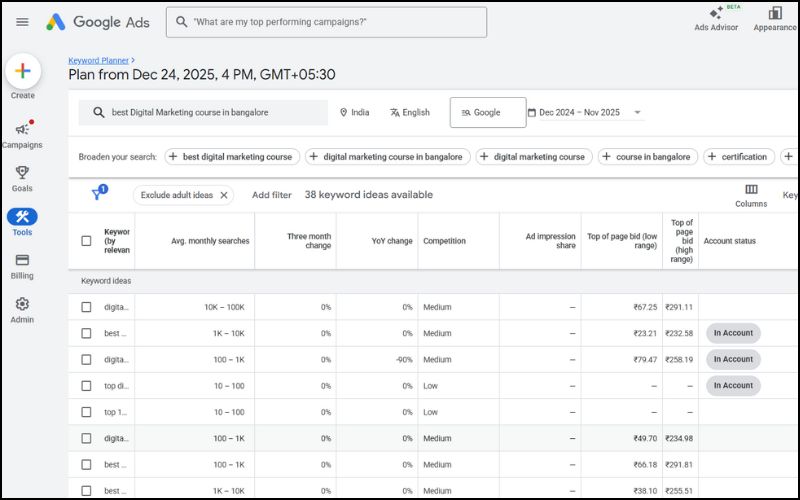
In keyword research in 2026, the emphasis is on topical breadth, not isolated keywords.
The main focuses are:
- Primary keyword
- Secondary keywords
- Semantic keywords: related concepts
- Long-tail variations
- Question-based queries
On-page SEO tasks:
- Designate one main keyword per page.
- Map supporting keywords to headings.
- Include idiomatic English in your paper.
- Avoid keyword cannibalization across pages.
Core rule: One page should be about one topic and focus on one main keyword.
3. SEO-friendly URL Structure

URLs should define what a page is about both for users and search engines.
Best practices for 2026 include:
- Short and descriptive
- Lowercase only
- Hyphens instead of underscores
- Include the main keyword
- Avoid dates unless necessary
Example:
❌ /page-id-4589
✅ /on-page-seo-checklist-2026
Practical tip: Clean URLs improves crawlability and click-through rates.
4. Optimizing the Title Tag for Engagement
Title tag remains one of the most salient on-page ranking signals. By 2026, it needs to balance search engine optimization with psychological factors.
On-page SEO tasks:
- Include the main keyword near the beginning.
- Limit length to less than 60 characters
- Create an attention-grabbing, yet natural-sounding title.
- Avoid duplication across pages
Using numbers or modifiers whenever necessary
Example:
On-Page SEO Checklist for 2026: 50+ Tasks That Actually Rank
Important to remember: rankings mean something, but clicks are heavy!
5. Meta Description for CTR Despite Not Being a Ranking Factor
Meta descriptions do not directly impact rankings but greatly impact click-through rates.
On-page SEO tasks
- 150–160 characters per line in length
- Include primary and secondary keywords naturally
- Clearly present the benefit
- Include a subtle call to action
- Ensure every meta description is unique.
Insight: A higher CTR usually signifies positive engagement to search engines.
6. Structured Heading Hierarchy H1–H6
Headings help search engines understand content hierarchy and help users scan.
Best Practices:
- Only one H1 per page
- H1 should include the main keyword
- Use H2s for major sections
- Employ H3s and H4s for subsections
- Do not skip heading levels
On-page SEO includes:
- Logical division of content
- Use keywords within headings naturally
- No keyword stuffing in the headings
Principle: Headings are for human readability; SEO considerations come second.
7. High-quality, in-depth content that demonstrates expertise
Thin content will not survive in 2026. Search engines gauge depth, originality, expertise, and usefulness.
On-page SEO tasks:
- Provide a comprehensive response to the topic.
- Examples, explanations, and contextual information
- Avoid superfluous content
- Keep materials up to date
- Maintain a natural conversational tone.
Standard: Content that does not add value will rank below your competition.
8. Natural and Strategic Keyword Placement
Even though keywords are relevant, placement and integration are everything.
Ideal placements include:
- Title tag
- H1
- First 100 words
- Relevant subheadings
- Image alt text
- URL
- Meta Description
Things to avoid:
- Forced repetition
- Exact-match stuffing
- Unnatural phrasing
Guideline: Please ensure human readability, then refine for search engines afterwards.
9. Internal Linking for Context and Authority Flow
Internal links help search engines to understand site structure and spread authority.
On-page SEO tasks:
- Link to relevant internal pages
- Employ descriptive anchor text
- Avoid generic anchors (e.g., “click here”)
- Make sure relevant pages have more links
- Fix broken internal links
Benefit: Strong internal linking boosts indexing and rankings across the website.
10. External Links to Credible Sources
Outbound links signal credible, well researched content.
Best Practices:
- Link to authoritative sources
- Low-quality and spam websites should be avoided.
- Open external links in a new tab
- Practice restraint
Signal: Quality outbound links strengthen topical credibility.
11. Optimizing Images for Both SEO & Performance
Images foster accessibility and user engagement but can reduce performance when not optimized.
On-page SEO tasks:
- Compress images to improve loading times
- Use descriptive file names
- Include keyword relevant alt text
- Use modern formats (WebP, AVIF)
- Do not use unnecessary decorative images
Tip: Image optimization increases access, speed, and visibility in image searches.
12. Page Speed Optimization Core Web Vitals
Page speed is a validated ranking factor with increased importance in the year 2026.
Key Metrics:
- Largest Contentful Paint LCP
- Interaction to Next Paint (INP)
- CLS stands for Cumulative Layout Shift.
On-page SEO tasks:
- Minimize CSS and JavaScript
- Enable lazy loading
- Employ efficient hosting
- Optimise fonts and scripts
Truth: A slow page undermines performance and rankings.
13. Mobile-first optimization
With most searches happening over mobile and Google giving priority to mobile indexing, considerations for mobile are of essence.
on-page SEO tasks.
- Responsive design
- Ensure font sizes are legible.
- Avoid intrusive interstitials
- Design touch-friendly buttons
- Test across different screen sizes
Rule: Poor mobile performance hurts rankings across devices.
14. Schema Markup & Structured Data
Schema markup allows search engines to understand the context of content better and provides rich results.
Common schema types:
- Article
- F.A.Q.
- How-To
- Product
- Review
- Breadcrumb
On-page SEO tasks:
- Add schema markup as appropriate
- Test with structured data testing tools
- Keep schema aligned with content changes
Advantage: Schema improves visibility without directly modifying rankings.
15. Content Freshness and Updates
Content freshness matters, especially in highly competitive topics.
On-page SEO tasks:
- Update outdated statistics
- Refresh examples and visuals
- Enhance readability and structure
- Introduce new sections as warranted
- Update publish or last-modified dates
Insight: Updated content tends to perform better than newly created content.
16. User Engagement Signals
Search engines monitor the user interactions with pages.
Engagement Indicators include:
- Time on page
- Scroll depth
- Bounce rate
- Return visits
On-page SEO tasks:
- Improve readability
- Prefer shorter paragraphs
- Include illustrations and tabulated lists
- Provide clear answers to user questions
- Reduce friction
Focus: Satisfy user needs, and rankings tend to improve.
17. E-E-A-T Optimization – Experience, Expertise, Authority, Trust
Trust signals are increasingly important in 2026.
On-page SEO includes:
- Displaying author credentials
- Include author bios
- Use verifiable references
- Include easily accessible Contact and About pages.
- Ensure HTTPS security
Principle: Trust is foundational, not optional.
18. Duplicate Content and Canonicalization
Duplicate content can confuse the search engines.
On-page SEO tasks:
- Apply canonical tags appropriately
- Avoid duplication of content across pages
- Manage pagination properly
- URLs should not have duplicated parameters.
Reminder: one topic should correspond with one canonical URL.
19. Accessibility and Readability
Accessibility is an ethical concern, but also an SEO one.
On-page SEO tasks:
- Maintain proper heading structure
- Add alternative text for images
- Ensure sufficient color contrast
- Write clear, simple sentences
- Using jargon only when absolutely necessary
Benefit: Accessible content benefits diverse audiences and enhances the overall performance.
20. Final On-Page SEO Quality Check
Before publishing, do a final check:
- Is the user intent fully addressed?
- Is the main keyword clear yet natural?
- Is this page easily scannable?
- Is the page fast and mobile friendly?
- Is the content delivering real value?
Rule: Do not publish anything that you would not bookmark yourself.
Your SEO Priority in 2026
On-page SEO in 2026 focuses on the value of clear, helpful pages, fast pages, trustworthy pages, and pages that align with user intent, as opposed to finding tricks or algorithm chasing tactics.
This all-inclusive on-page SEO checklist provides a well focused outline applicable to blog posts, landing pages, service pages, and other content types.
By habitually going through these tasks, a practitioner will not only optimize for search engines but also for the satisfaction of users, leading to more engagement and reward signals coming from the search systems.
Give priority to quality, clarity, and uniformity, then, observe ranking improvements.