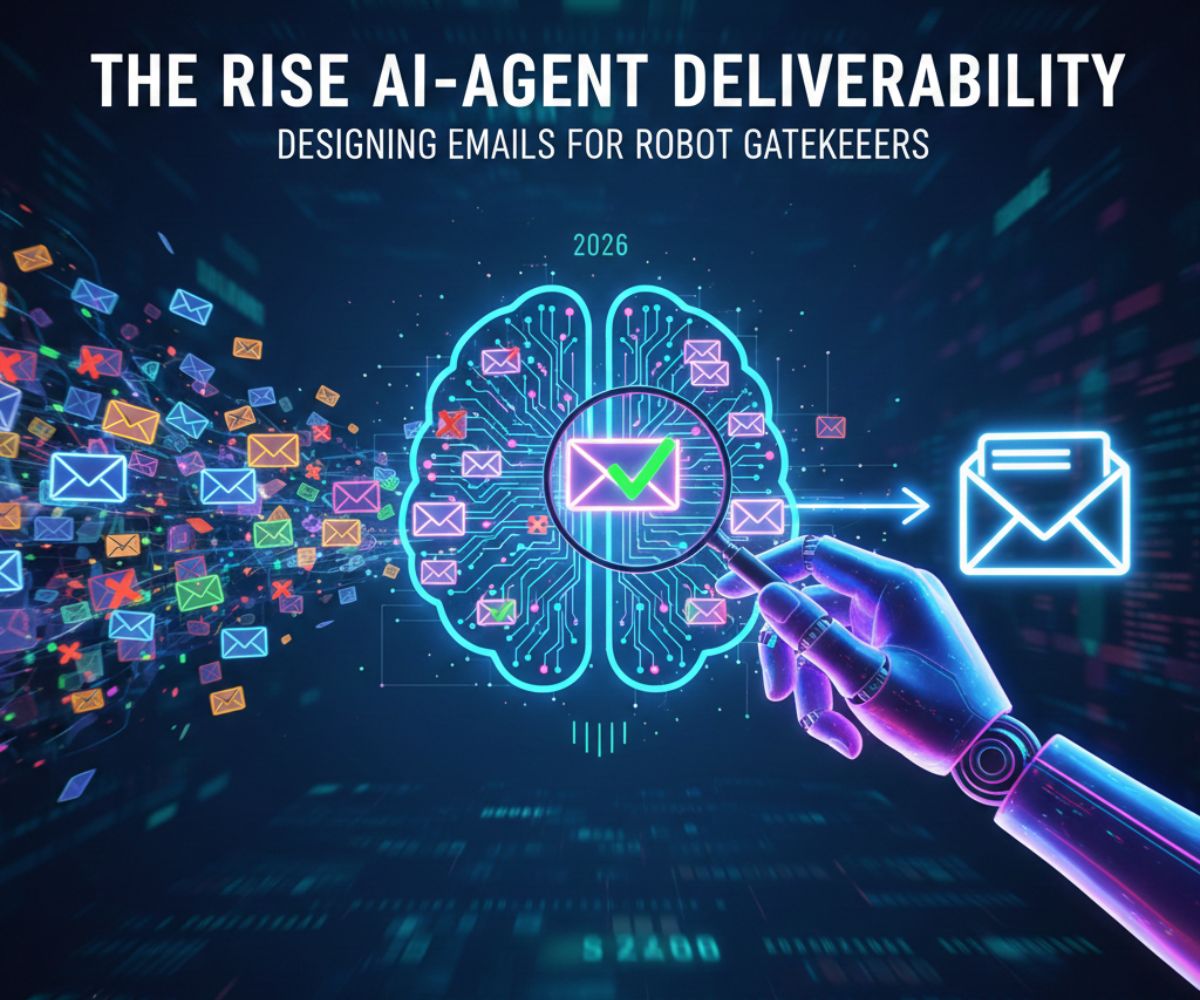
AI email deliverability strategy has become essential as inboxes are now controlled by intelligent robot gatekeepers instead of humans. Before any reader sees your message, AI systems evaluate trust, relevance, and engagement signals to decide whether an email reaches the inbox or disappears into spam.
Why AI Email Deliverability Strategy Matters Today
Understanding how AI judges emails is no longer optional it is the foundation of modern email marketing success.
Today, emails are no longer judged first by humans.
They are evaluated, filtered, scored, and sometimes rejected by AI agents automated systems acting as robot gatekeepers between your message and the inbox. If your email fails their checks, no amount of creativity will save it.
This shift has given rise to a new discipline: AI agent deliverability.
In this in depth guide, we’ll explore what AI agent deliverability really means, why it matters more than ever, and most importantly how to design emails that pass AI scrutiny while still engaging human readers.
Understanding AI Email Deliverability Strategy
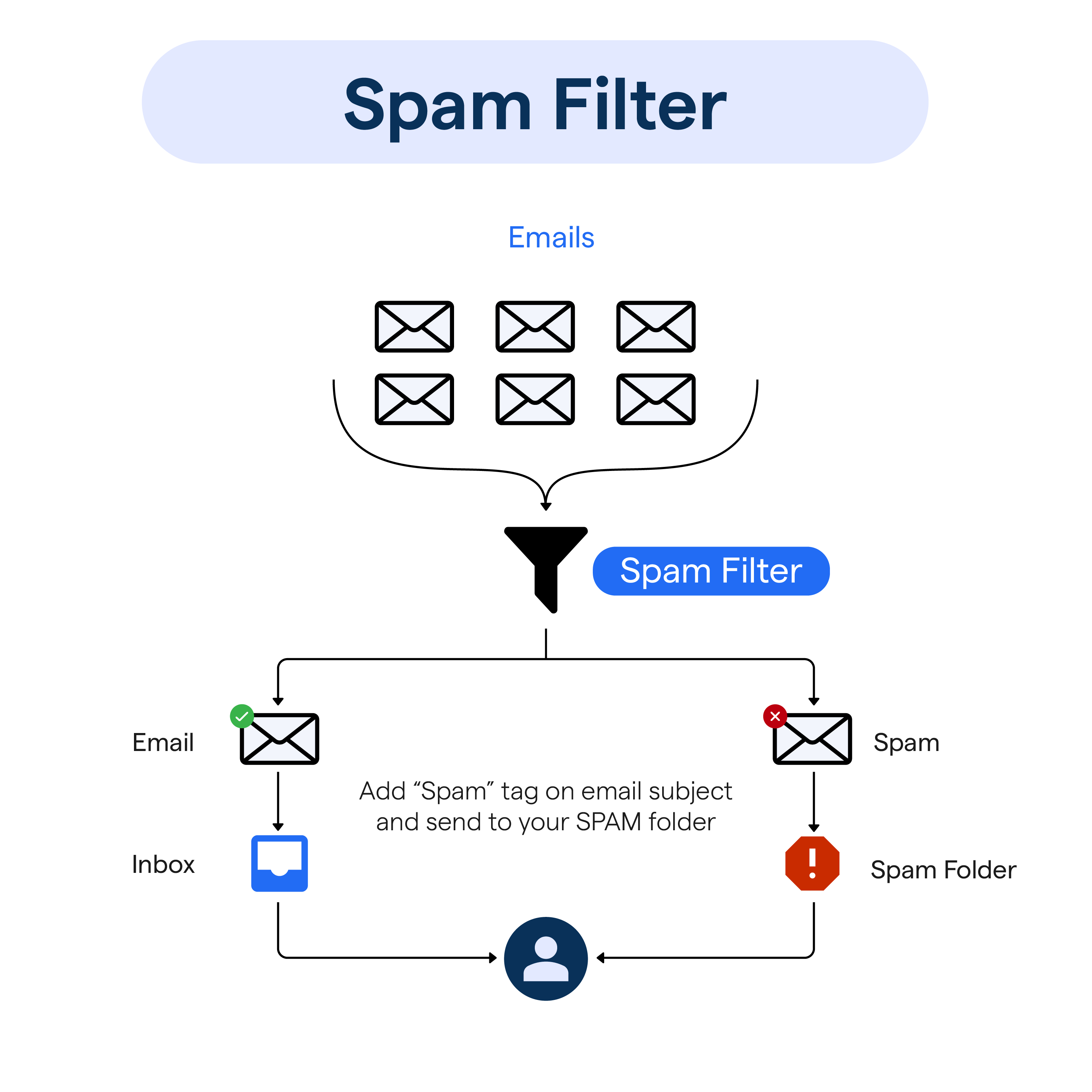
AI agent deliverability refers to the ability of an email to successfully pass automated, AI driven filtering systems and land in the primary inbox rather than spam, promotions, or outright rejection.
Unlike traditional spam filters that relied on simple rules (keywords, blacklists, or formatting checks), modern systems use machine learning models that analyze behavior, intent, and patterns over time.
These AI agents act as:
- Security guards (blocking malicious or deceptive emails)
- Quality reviewers (scoring relevance and engagement potential)
- Reputation managers (monitoring sender trustworthiness)
If your email doesn’t meet their expectations, it never reaches the human audience you worked so hard to impress.
Why Robot Gatekeepers Are Now in Control
Email inboxes receive billions of messages every day. Human moderation is impossible at this scale, so inbox providers rely on AI to make decisions instantly.
Here’s why AI gatekeepers dominate modern email delivery:
- Volume overload: Humans can’t manually filter inboxes.
- Rising cyber threats: Phishing and scams require intelligent detection.
- User experience optimization: AI learns what each user wants to read.
- Engagement-based ranking: Emails are judged by predicted behavior, not promises.
In short, AI decides first, humans decide later if at all.
How AI Agents Actually “Read” Your Emails
AI agents don’t read emails like humans. They analyze them as data structures and behavioral signals.
How AI Email Deliverability Strategy Impacts Inbox Placement
Key elements AI agents evaluate include:
- Sender reputation (domain history, IP trust, consistency)
- Authentication signals (SPF, DKIM, DMARC alignment)
- Content patterns (language, tone, structure, keyword balance)
- User engagement history (opens, replies, deletions, complaints)
- Contextual relevance (recipient behavior and past interests)
Your email is not judged in isolation. It’s judged as part of a long-term behavioral profile.
The Shift from Keyword Spam to Behavioral Intelligence
Old spam filters were easy to trick. Avoid a few words, tweak formatting, and you could bypass them.
Modern AI systems are different.
They don’t just ask:
“Does this email look spammy?”
They ask:
“How will users behave after receiving this email?”
AI agents predict:
- Will this email be opened?
- Will it be read or deleted immediately?
- Will it be replied to?
- Will it generate complaints?
Your copy, design, and sending behavior all feed into this prediction.
That’s why manipulative tactics fail fast in today’s inboxes.
Building an AI Email Deliverability Strategy That Works
Sender Reputation: Your Digital Trust Score
If content is the message, reputation is the messenger.
AI agents maintain detailed sender profiles based on:
- Sending frequency
- Bounce rates
- Spam complaints
- Engagement ratios
- Domain age and consistency
A single bad campaign can damage reputation but consistent, respectful emailing builds long-term trust.
Best practices to protect sender reputation:
- Send emails only to opted-in users
- Maintain consistent sending patterns
- Remove inactive subscribers regularly
- Avoid sudden spikes in volume
Reputation isn’t built overnight but it can be lost quickly.
Designing Emails That AI Agents Trust
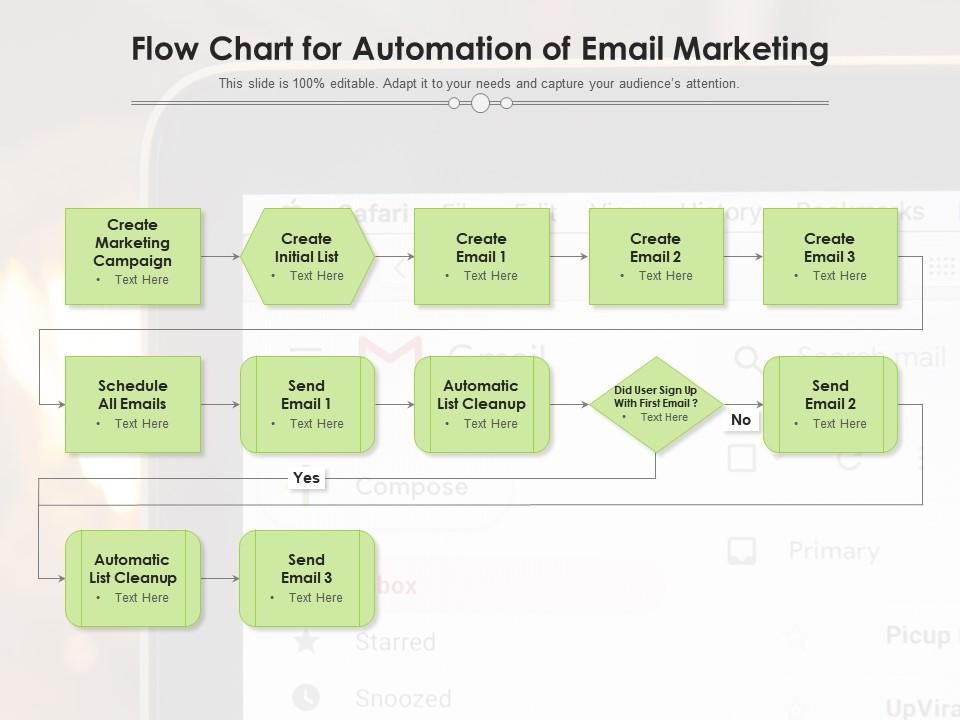
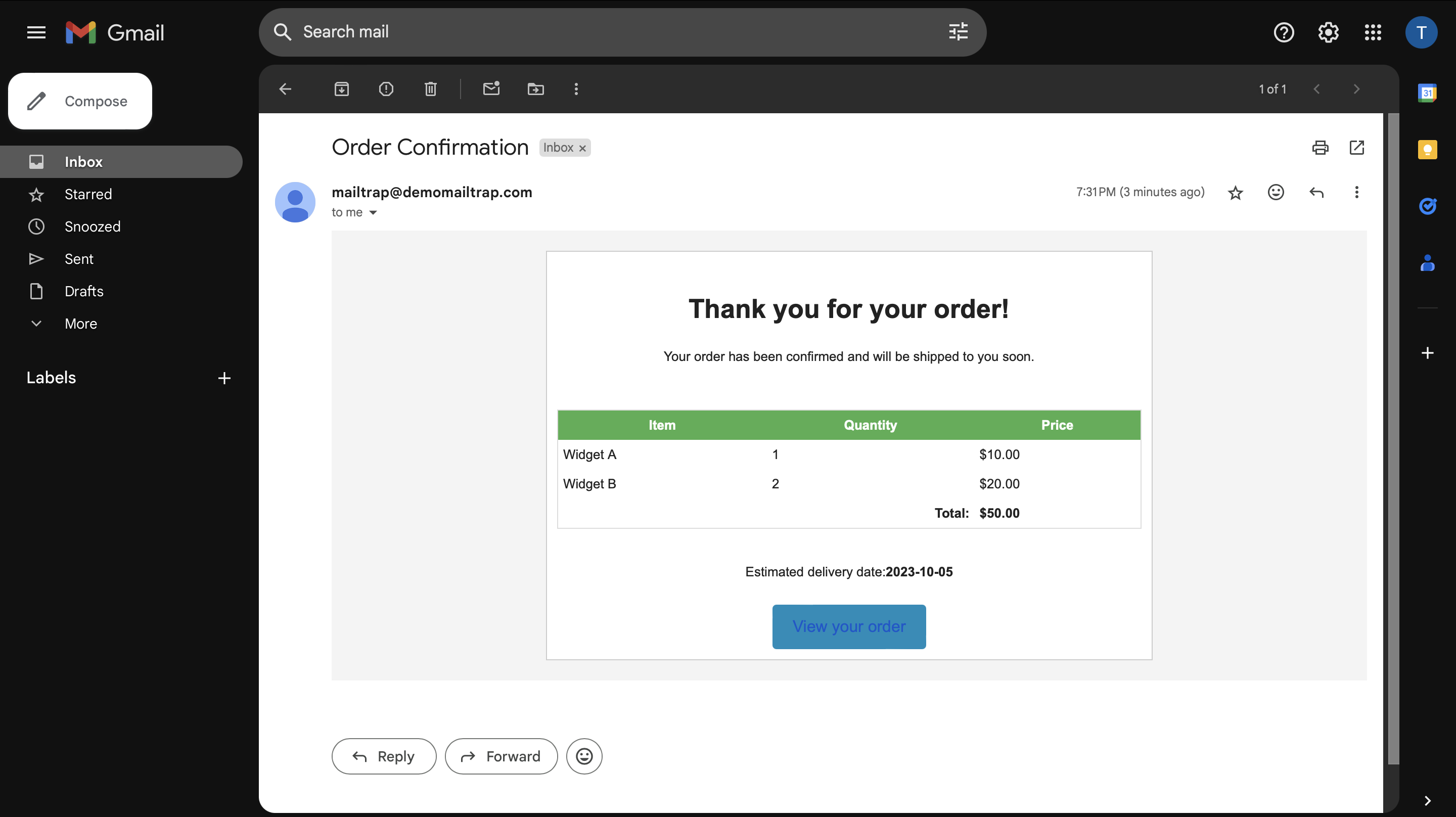
Design isn’t just about aesthetics anymore. It’s about machine readability and intent clarity.
AI agents analyze email structure for signs of deception or manipulation.
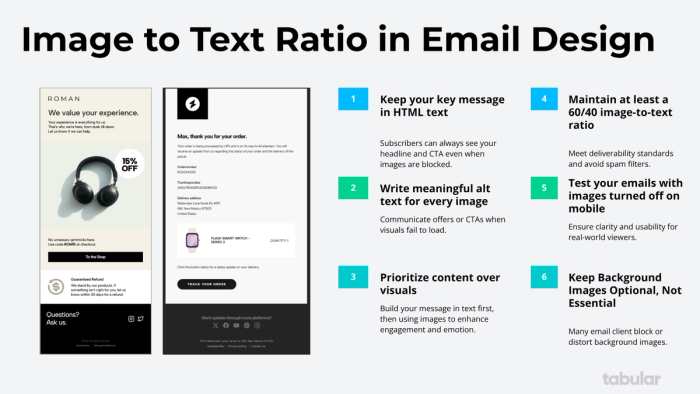
Design Principles That Support AI Email Deliverability Strategy
- Clean HTML with minimal nesting
- Balanced text-to-image ratio
- Clear hierarchy (headings, paragraphs, spacing)
- Visible unsubscribe links
- Legitimate footer details
Over-designed, image-heavy emails often raise red flags especially when paired with aggressive language.

Language That Passes AI Scrutiny
AI agents are extremely sensitive to language patterns.
They evaluate:
- Emotional manipulation
- Urgency triggers
- Repetitive promotional phrasing
- Over-optimized keywords
This doesn’t mean you can’t persuade it means you must persuade naturally.
What works better
- Conversational tone
- Clear value explanation
- Honest subject lines
- Specific but calm CTAs
What hurts deliverability
- Excessive capitalization
- Artificial urgency
- Click-bait promises
- Repeated sales buzzwords
Write as if a skeptical but intelligent reader is judging you because that’s exactly what the AI is trained to emulate.
Subject Lines: The First AI Checkpoint
Your subject line is the first thing AI agents score.
They evaluate:
- Historical open rates
- Similarity to spam patterns
- Relevance to recipient behavior
- Consistency with email body
Strong subject lines are:
- Specific, not vague
- Calm, not desperate
- Informative, not misleading
Remember: misleading subject lines don’t just hurt trust they train AI to suppress future emails.
Engagement Signals That Shape Future Delivery
AI agents constantly learn from user behavior.
Every action tells the system something:
- Open = mild approval
- Read time = interest
- Reply = strong trust
- Delete without open = negative signal
- Spam complaint = severe penalty
Your goal is not just to get opens but to encourage positive engagement.
That’s why content relevance matters more than clever tricks.
The Role of Personalization in AI-Agent Deliverability
Personalization used to mean adding a first name.
Now it means:
- Behavioral relevance
- Contextual timing
- Content alignment with interests
AI agents reward emails that feel intended, not broadcasted.
Smart personalization improves:
- Open rates
- Read time
- Replies
- Long-term sender reputation
But forced or fake personalization can backfire. AI can detect unnatural patterns faster than humans.
Why Consistency Beats Creativity
One common mistake marketers make is chasing novelty.
AI agents prefer:
- Predictable sending schedules
- Consistent tone
- Stable formatting
- Familiar sender behavior
Creativity is still important but consistency builds trust.
Think of it like a relationship:
- Reliability creates safety
- Safety enables engagement
- Engagement strengthens deliverability
Testing Emails for AI-Agent Readiness
Before hitting send, ask:
- Is this email honest in intent?
- Does the design look human-friendly and machine-clean?
- Would a neutral reader find this useful?
- Is the CTA respectful and clear?
Testing isn’t just about A/B subject lines—it’s about validating trust signals.
The Future of AI Email Deliverability Strategy
AI agents aren’t enemies. They exist to protect users.
The irony is this:
The best way to satisfy AI is to respect humans.
Emails that are:
- Helpful
- Clear
- Honest
- Relevant
…naturally pass AI scrutiny.
As AI gatekeepers become smarter, shallow tactics will disappear. What remains is real communication delivered responsibly.
Conclusion
The rise of AI-agent deliverability marks a turning point in email marketing. Success is no longer about beating spam filters it’s about earning trust from intelligent systems designed to think like humans.
When you design emails for robot gatekeepers, you’re not dumbing down your message. You’re refining it.
By focusing on clarity, consistency, relevance, and respect, you create emails that:
- Pass AI evaluation
- Reach real inboxes
- Build long-term engagement
In a world where machines decide what humans see, the future belongs to marketers who understand one simple truth:
If your email deserves to be read, AI will let it through.
At the National Institute of Digital Marketing (NIDM), learners are trained with future ready AI email deliverability strategies that focus on trust signals, inbox intelligence, and human-centric communication. Instead of outdated email hacks, NIDM emphasizes ethical email practices, real world engagement data.